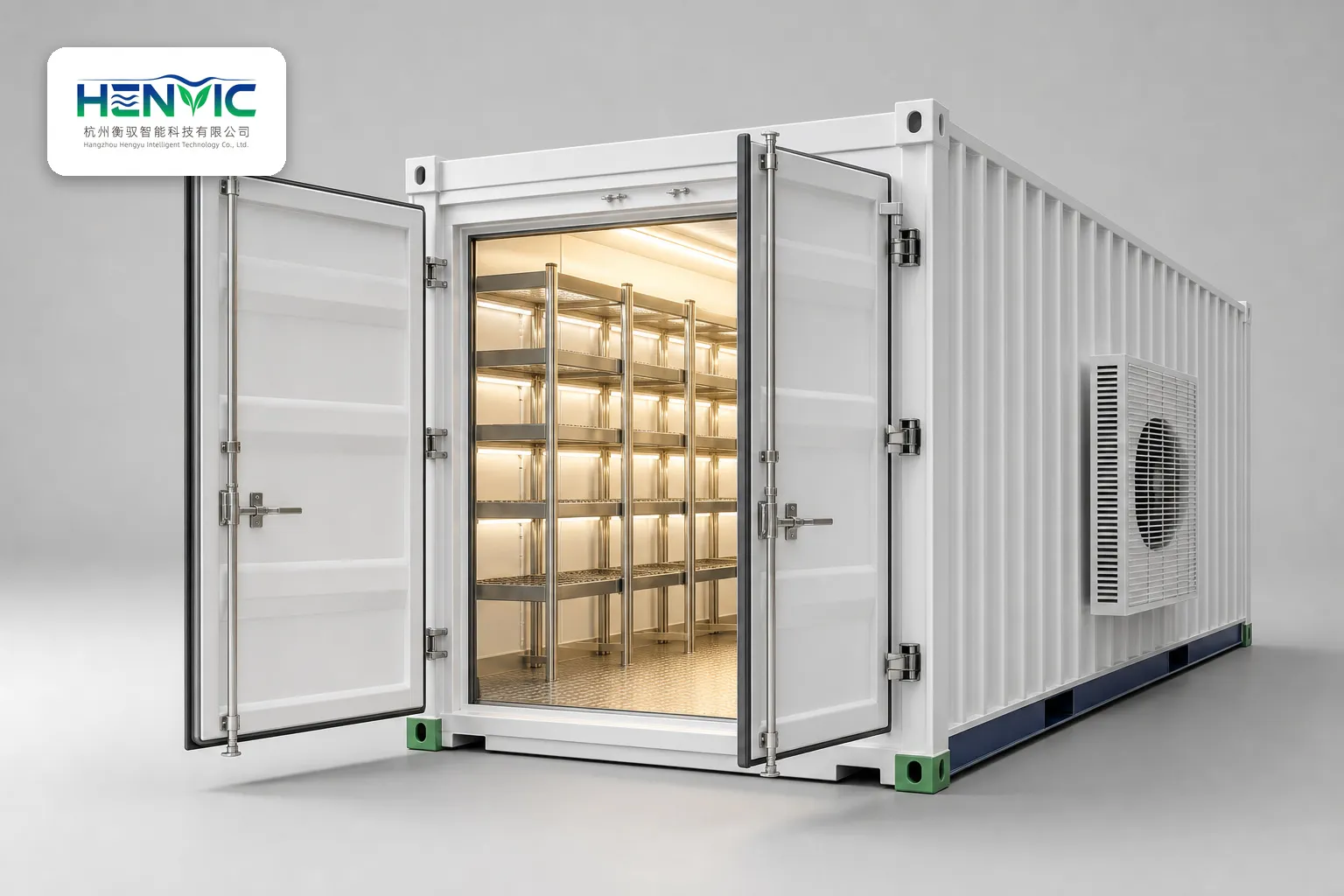
The emerging agricultural technology, container-based ice plant cultivation, is redefining farming practices with its unique advantages. As an innovative approach to precision agriculture, it is reshaping traditional cultivation modes with its efficient, controlled, and sustainable characteristics.
1. Characteristics and Requirements of Ice Plants
Ice plants, scientifically known as Mesembryanthemum crystallinum, are succulent herbs with distinctive features. They have fleshy leaves covered with tiny, shiny bladder cells that secrete a optically active substance, giving them a crystalline appearance and unique texture and flavor. Nutritionally, ice plants are rich in various vitamins, minerals, and bioactive compounds, making them a high - value crop in modern gastronomy and health food markets.
For the growth of ice plants, several key environmental factors are crucial. Light exposure is vital; they prefer bright, indirect light but can tolerate some direct sunlight, which promotes healthy photosynthesis and the development of their characteristic features. Temperature - wise, they thrive in a range of 15 - 25°C, with a certain degree of cold tolerance but are sensitive to extreme heat. Humidity is another key factor; when the humidity is around 50% - 70%, it helps prevent the leaves from drying out and supports the formation of bladder cells. The soil should be loose, fertile, and slightly saline, suitable for their unique growth requirements.
2. The Framework of Ice Plant Container Cultivation
2.1 Container Design and Structure
The container itself is the essential carrier for ice plant cultivation. Typically, insulated and waterproof metal or plastic containers are used. The internal space of the container needs reasonable partitioning with multi - layer growing racks installed to maximize space utilization. Each layer is equipped with appropriate lighting devices to ensure uniform illumination for the ice plants. Additionally, the interior is coated with moisture - resistant materials to prevent corrosion and maintain a stable growth environment.
2.2 Controlled Environmental System
Temperature Control: The container is fitted with an advanced temperature - regulation system, including cooling and heating components. When the temperature exceeds the upper limit, the cooling system activates to maintain a stable growth temperature. In colder periods, the heating system ensures that the environment remains within the optimal range, preventing stress to the plants.
Humidity Regulation: Humidification and dehumidification devices are installed. During dry conditions, a humidifier releases fine mist to reach the desired humidity level. When moisture is excessive, the dehumidifier removes the excess to prevent fungal diseases and other humidity - related issues.
Air Circulation: A well - designed air circulation system is integrated within the container. Fans promote air circulation, ensuring a steady supply of oxygen to the ice plants' roots and leaves, while helping to remove waste gases generated during photosynthesis, maintaining a fresh and healthy environment.
2.3 Soil and Nutrient Management
A suitable growing medium consisting of peat, perlite, and a small amount of organic fertilizer is used, with its structure optimized for the growth of ice plants. A precise nutrient supply system is also in place, using a liquid fertilizer - delivery network. This ensures that the plants receive the necessary nutrients at each growth stage, including nitrogen, phosphorus, potassium, and various trace elements, supporting their robust growth.
3. Advantages of Ice Plant Container Cultivation
3.1 Space Efficiency
Container cultivation is not constrained by traditional land conditions. It can be deployed in spaces that are not suitable for conventional farming, such as urban rooftops, abandoned factory areas, or unused courtyards. By vertical stacking within the container, the planting density increases significantly. For example, compared to traditional open - field cultivation, the same land area can yield several times more harvest, addressing the conflict between limited land resources and the demand for high - value crops.
3.2 Environmental Controllability
The controllable environment within the container reduces the impact of external climate changes, such as extreme weather events. It can mimic the natural growth environment for ice plants at different seasons, allowing year - round continuous cultivation. This ensures a stable and high - quality supply of ice plants to the market, avoiding the influence of seasonal shortages or fluctuations.
3.3 Quality Assurance
The precise control of environmental factors such as light, temperature, and humidity in the container creates ideal conditions for ice plants. This leads to uniformity in the appearance and nutritional content of the ice plants, meeting the high - quality standards required by modern consumers. Moreover, the risk of pests and diseases decreases due to the isolation from the open - field environment, reducing the use of pesticides and ensuring the product's safety.
3.4 Water and Resource Conservation
The container cultivation system, combined with efficient irrigation methods like drip irrigation, significantly reduces water usage. At the same time, the recycling of nutrients in the system minimizes fertilizer waste. This not only conserves resources but also reduces the environmental footprint of agricultural production, aligning with the trend of sustainable development.
4. Future Prospects
As the demand for high - quality and green agricultural products continues to grow, the ice plant container cultivation technology has vast potential for development. With further optimization of container design, the automation level of environmental control systems will increase, further improving production efficiency and product quality. Precision management technologies, such as Internet of Things (IoT) sensors, will enable real - time monitoring and adjustment, providing more accurate support for ice plant cultivation.
Ice plant container cultivation, with its remarkable advantages, is poised to play a significant role in the future of modern agriculture. It not only enhances the productivity of high - value crops but also makes a positive contribution to resource conservation and environmental sustainability, presenting a promising trend in modern agricultural development.


