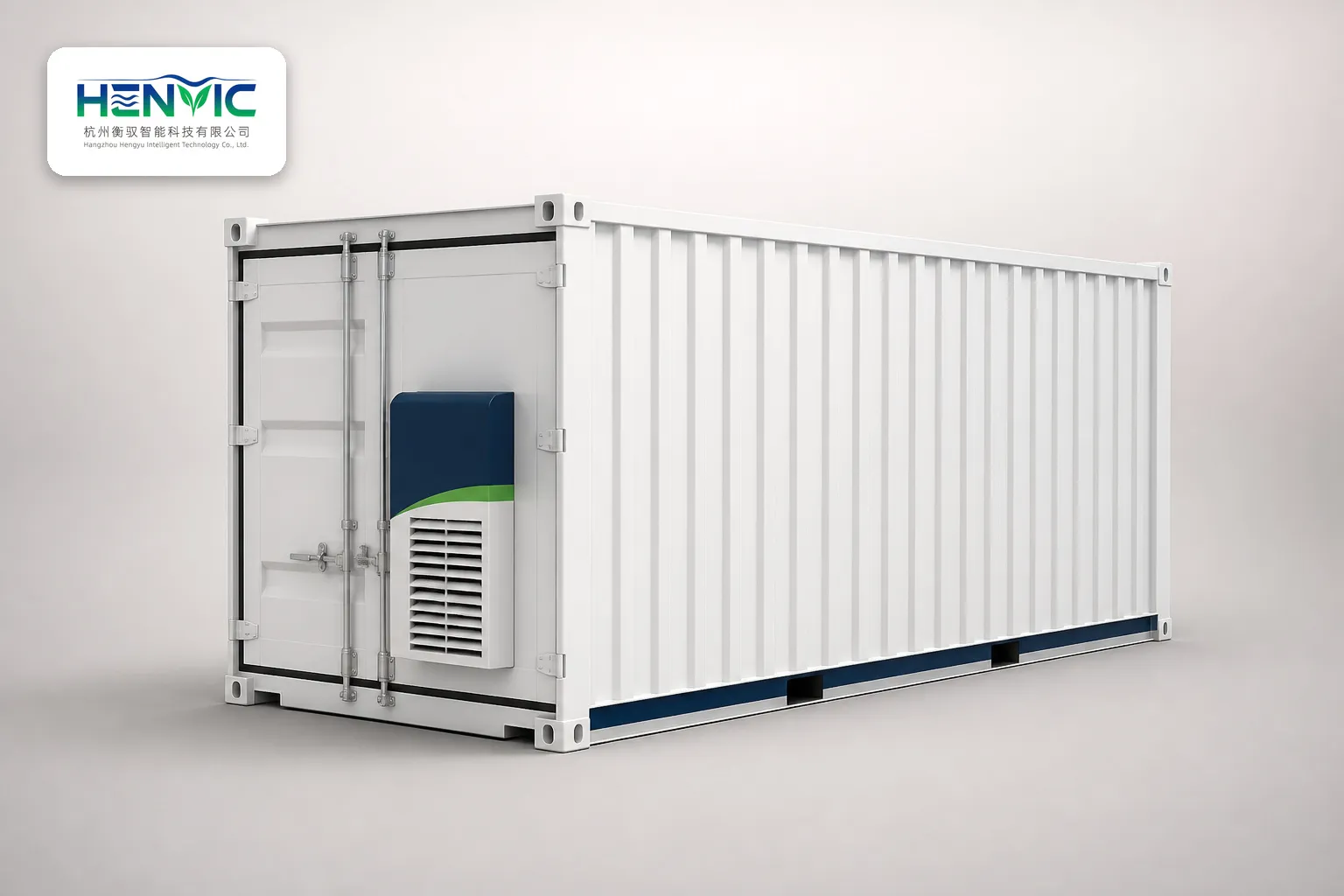
I. Definition and Classification of Matsutake Cultivation Containers
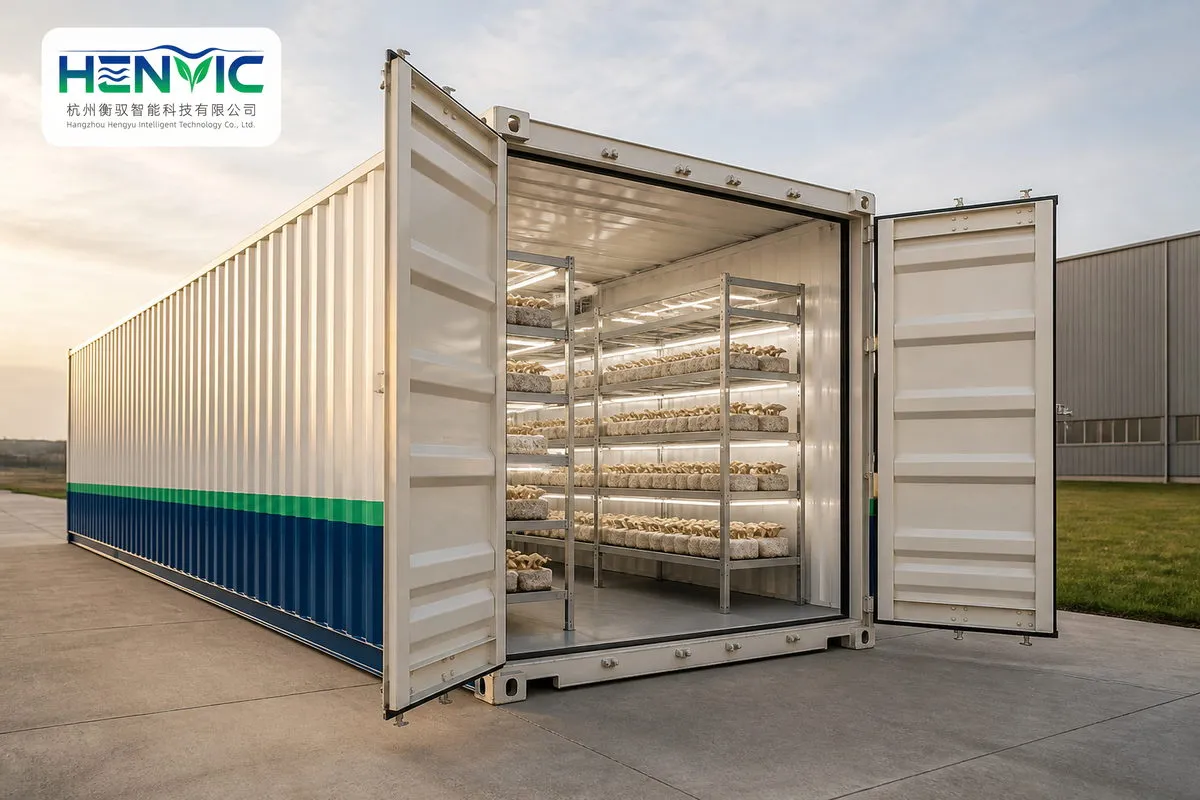
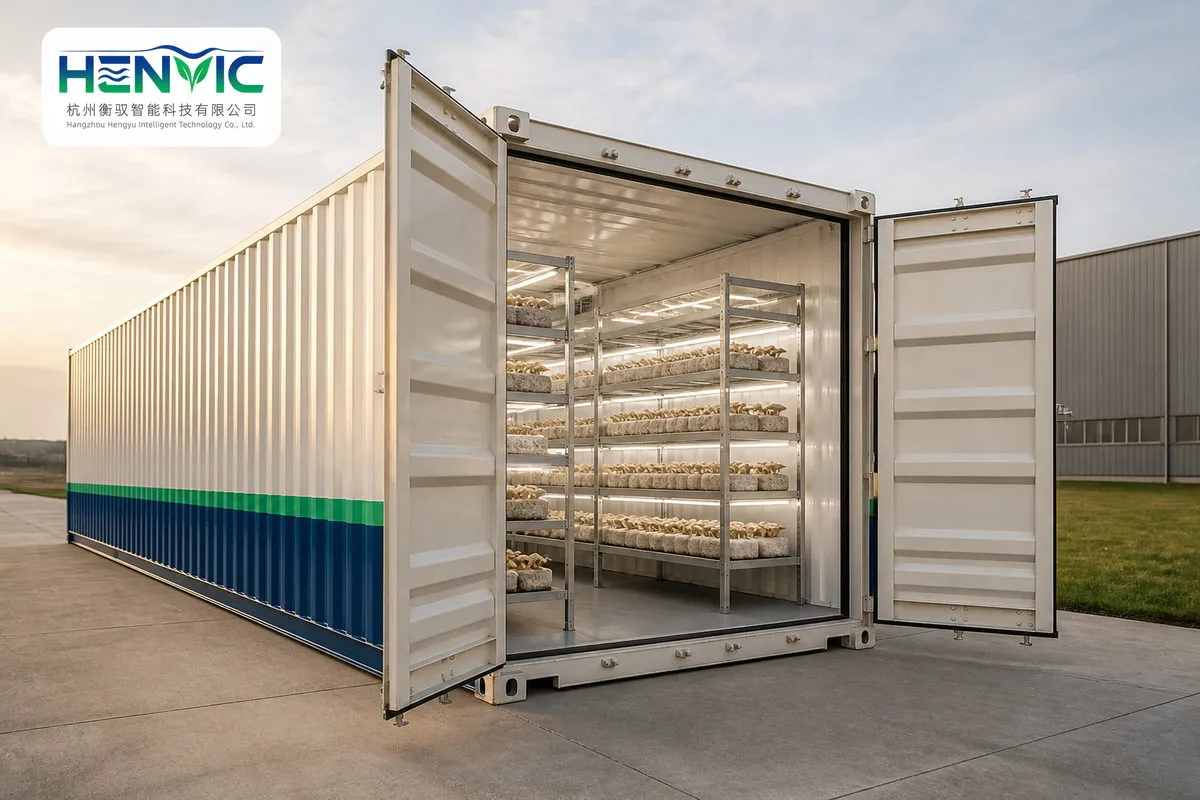
Matsutake (Tricholoma matsutake) is a world-renowned rare edible and medicinal fungus. Its unique nutritional value and ecological attributes mean its cultivation relies entirely on specialized equipment to simulate the wild growth environment. Matsutake cultivation containers refer to dedicated enclosed or semi-enclosed devices designed specifically for matsutake mycelium propagation, fruiting body formation, harvesting, and storage. The logic behind their design is to control critical parameters such as temperature, humidity, light intensity, and carbon dioxide concentration through intelligent systems, creating an optimal environment that closely matches the wild ecological niche of matsutake, thereby achieving efficient and standardized cultivation.
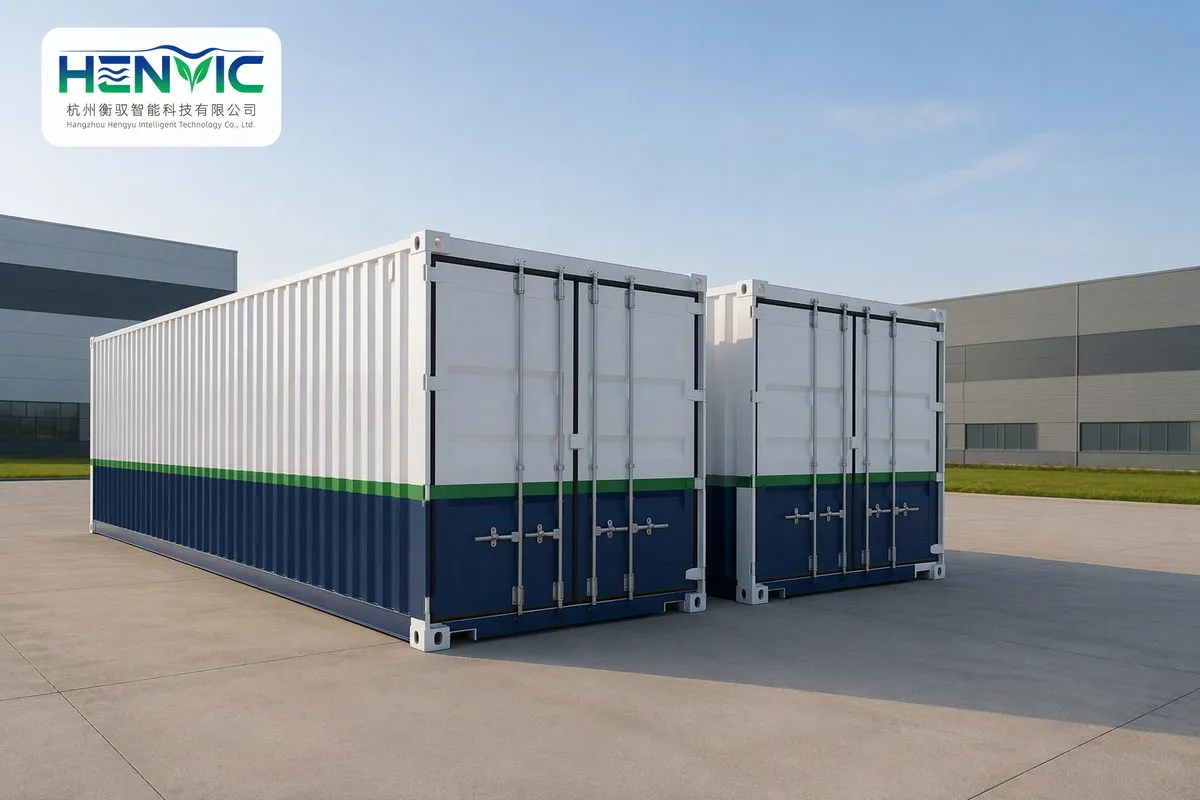
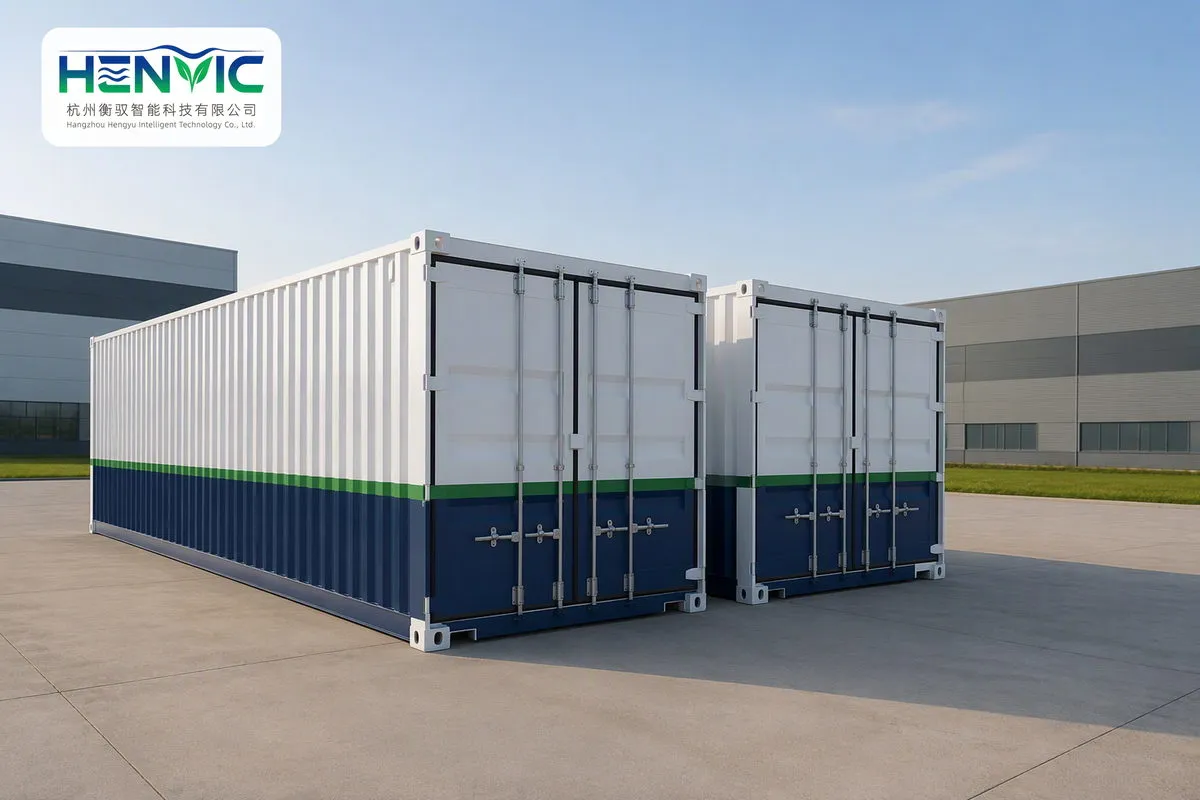
At present, most cultivation containers in domestic production are modular units. The inner structure is generally made of food-grade stainless steel or polymer materials resistant to corrosion. The exterior is equipped with intelligent control panels, ventilation systems, humidity-retaining layers, and thermal insulation structures, so that multiple containers can be installed in batches at a factory for centralized cultivation. Based on the growth stage of matsutake, these containers are roughly divided into three categories: the mycelium propagation tank for cultivating high-quality spawn, the fruiting body cultivation container for the complete growth cycle of the mushroom, and the low-temperature fresh-keeping container for post-harvest preservation and temporary storage of the produced matsutake.
II. Core Design and Technical Requirements of Matsutake Cultivation Containers
The design standards of matsutake cultivation containers directly determine the quality and yield of matsutake. Since matsutake is an ectomycorrhizal fungus that prefers cool and humid environments, the container design focuses on the stability of the internal environment.
First, the environmental control system must be precise. Temperature fluctuations inside the container are generally controlled within 1 degree Celsius, with the optimal growth temperature maintained between 12 and 18 degrees Celsius. Humidity must always be kept at 60% to 80% to avoid mycelium drying or fruiting body rot caused by excessive humidity. Ventilation equipment needs to dynamically adjust air volume based on the different stages of matsutake growth to meet its demand for fresh air while preventing direct wind from damaging the fruiting bodies.
Second, the material must be safe and durable. Matsutake contains rich nutrients and is highly sensitive to pollutants, so the inner wall material of the container must be non-toxic, odorless, and resistant to high humidity and mold. Stainless steel and food-grade agricultural film are commonly used. At the same time, the container body must have excellent thermal insulation and sealing properties to reduce the interference of outdoor temperature changes and maintain the stability of the internal environment.
Third, the layout must facilitate operation and observation. Most of the containers adopt translucent observation windows and independent small doors, making it convenient for cultivators to regularly check the matsutake growth. The overall dimensions are designed according to human operating habits, making it easy to place pots, harvest, and clean, greatly improving the accuracy of cultivation management.
III. Industry Chain and Market Position of the Matsutake Cultivation Container Industry
The industry of matsutake cultivation containers is located at the upstream level of the matsutake cultivation industry chain, and its development is closely linked with the end market. In recent years, as the market demand for healthy food has continued to rise, the scale of matsutake cultivation has grown. Container production has shifted from scattered and traditional custom processing to large-scale and modular manufacturing.
From the perspective of the industrial chain, the upstream is the raw material and component supply sector, mainly providing stainless steel, refrigeration units, intelligent sensors, and other components. The midstream is the design, production, and sales of containers, focusing on environmental stability and ease of operation. The downstream is the application side, which covers ecological cultivation bases, agricultural cooperatives, and industrialized farming enterprises.
With the continuous increase in matsutake market demand, there is also higher demand for the quality and efficiency of cultivation containers. In many regions, the promotion of intelligent matsutake cultivation container systems has significantly increased production capacity and ensured the stability of output. At the same time, many customized solutions have been launched for the cultivation habits and environmental conditions of different regions, making the industry applicable to both large-scale plantation operations and small-scale ecological farming, becoming a key supporting force for the matsutake cultivation industry.
IV. Current Challenges and Future Development of the Industry
Although the matsutake cultivation container industry is developing rapidly, it still faces many challenges. On the one hand, the initial investment cost of high-end containers with intelligent control functions is relatively high, and the penetration rate is still limited for small-scale farmers. On the other hand, the cultivation technology of matsutake involves multiple disciplines such as microbiology, environmental engineering, and smart agriculture, demanding high quality for container suppliers. The overall quality of talent is uneven, and it is easy to encounter problems such as unstable container precision and frequent equipment failures. In addition, since matsutake cultivation is often carried out in mountainous and remote areas, the subsequent maintenance and technical support are relatively weak, restricting the long-term use of containers.
Looking forward, the development of the matsutake cultivation container industry will present three main trends. First, intelligent and automated equipment will become mainstream by strengthening the integration of sensors, big data, and remote control to achieve fully automated environmental regulation. Second, the cost will be further optimized. With a more mature supply chain and the application of lightweight materials, high-performance containers will enter small households and local cultivation sites. Finally, the concept of green and sustainable design will be deepened. Low energy consumption, recyclable materials, and zero-emission control systems will be used to align with the highly ecological attributes of matsutake, helping the healthy and sustainable development of different matsutake cultivation bases.