I. Definition and Develop-mental Background
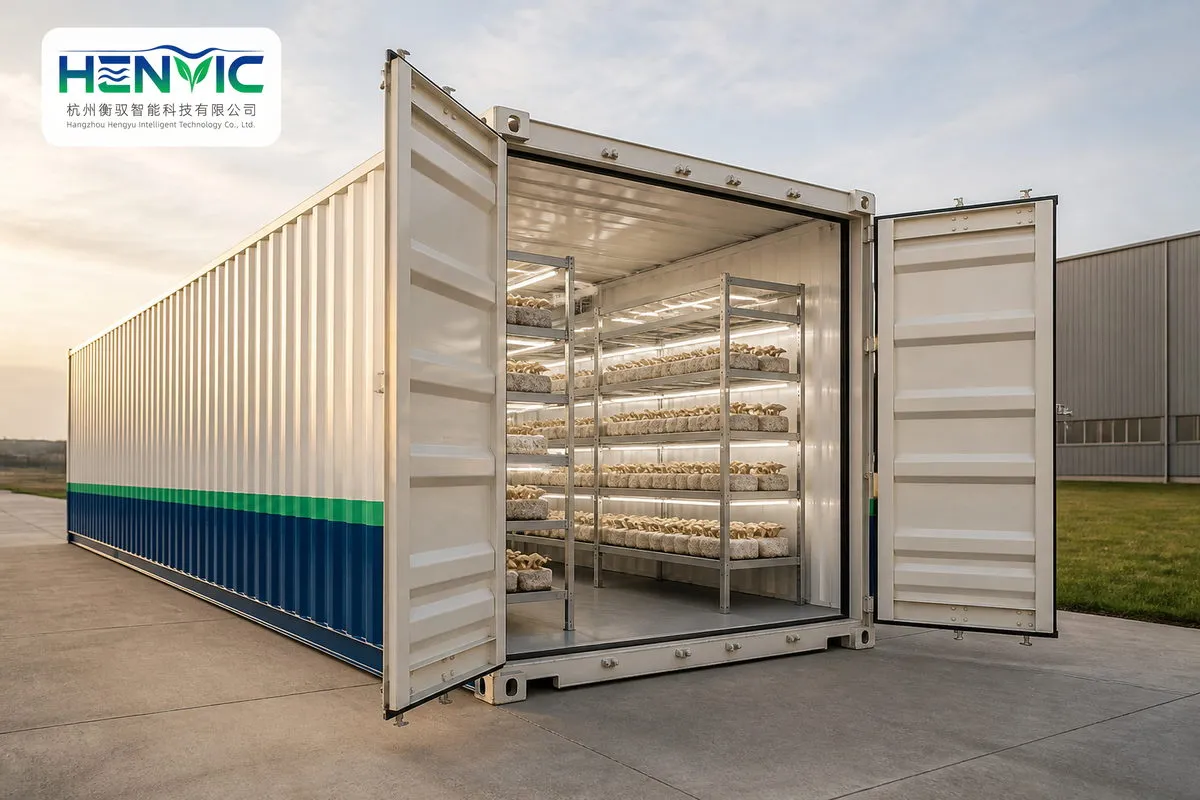
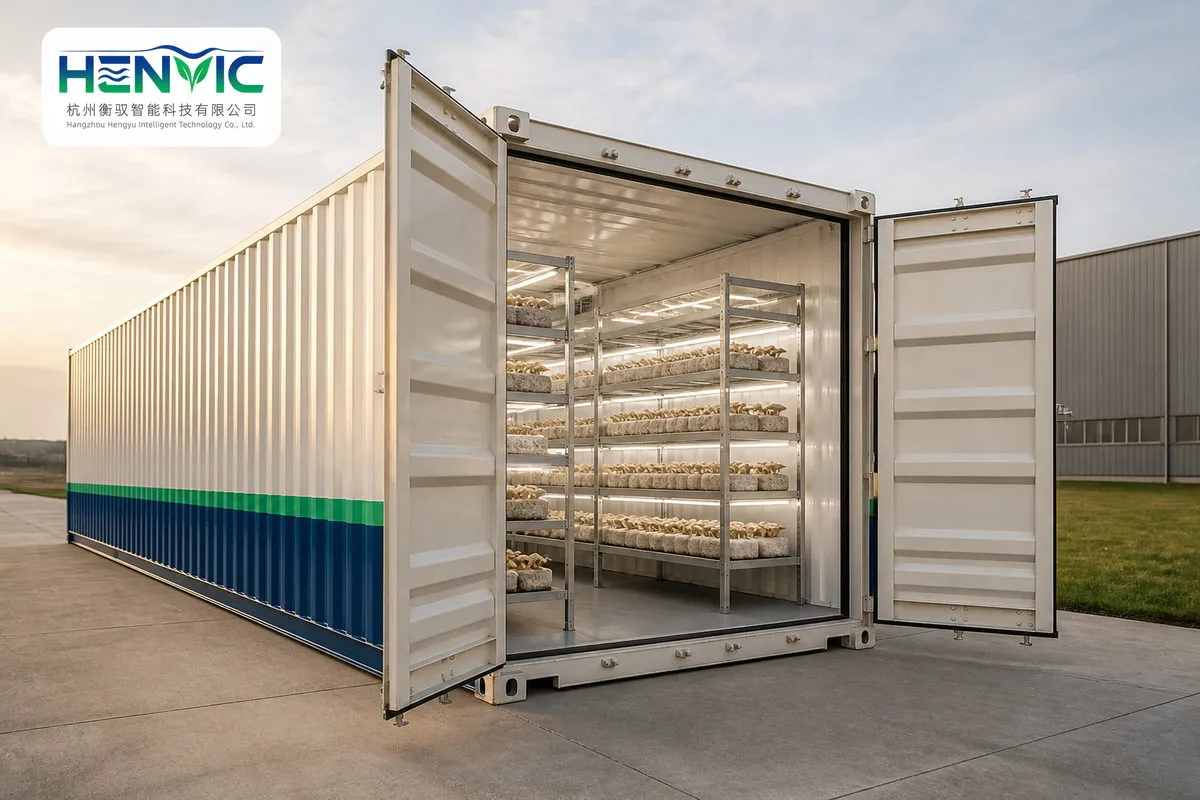
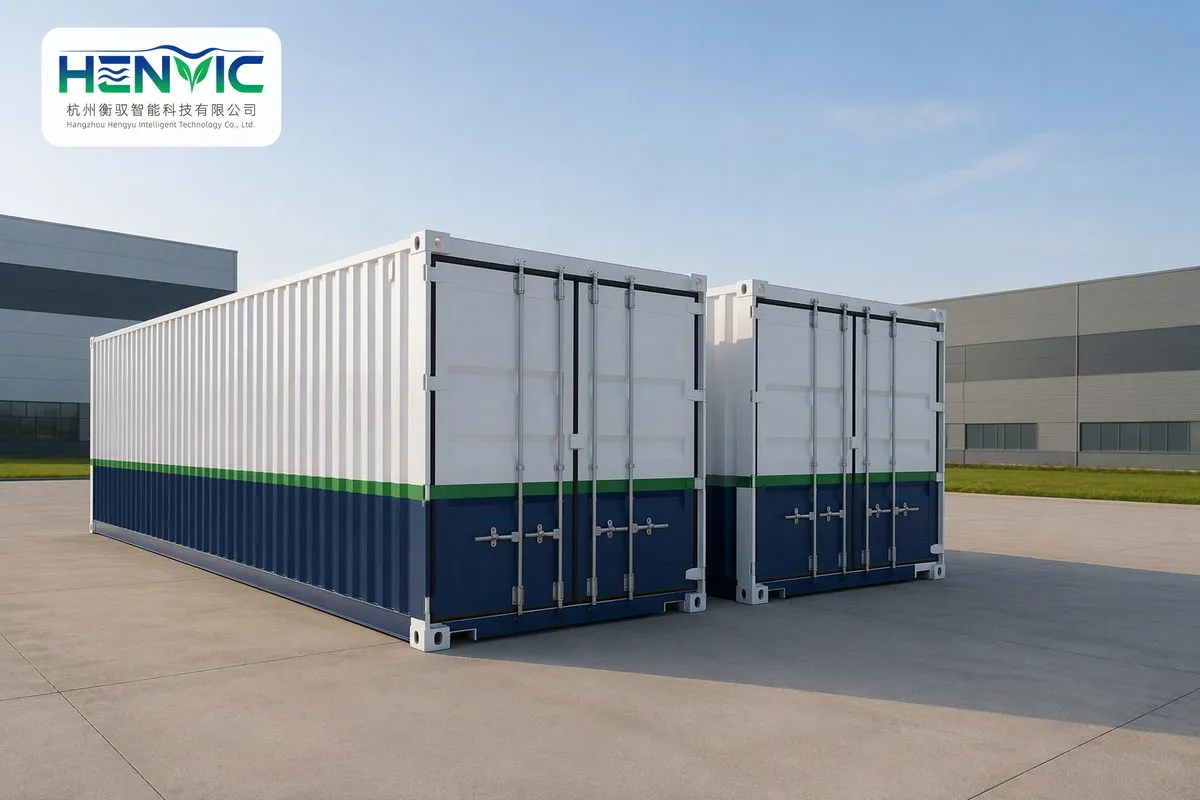
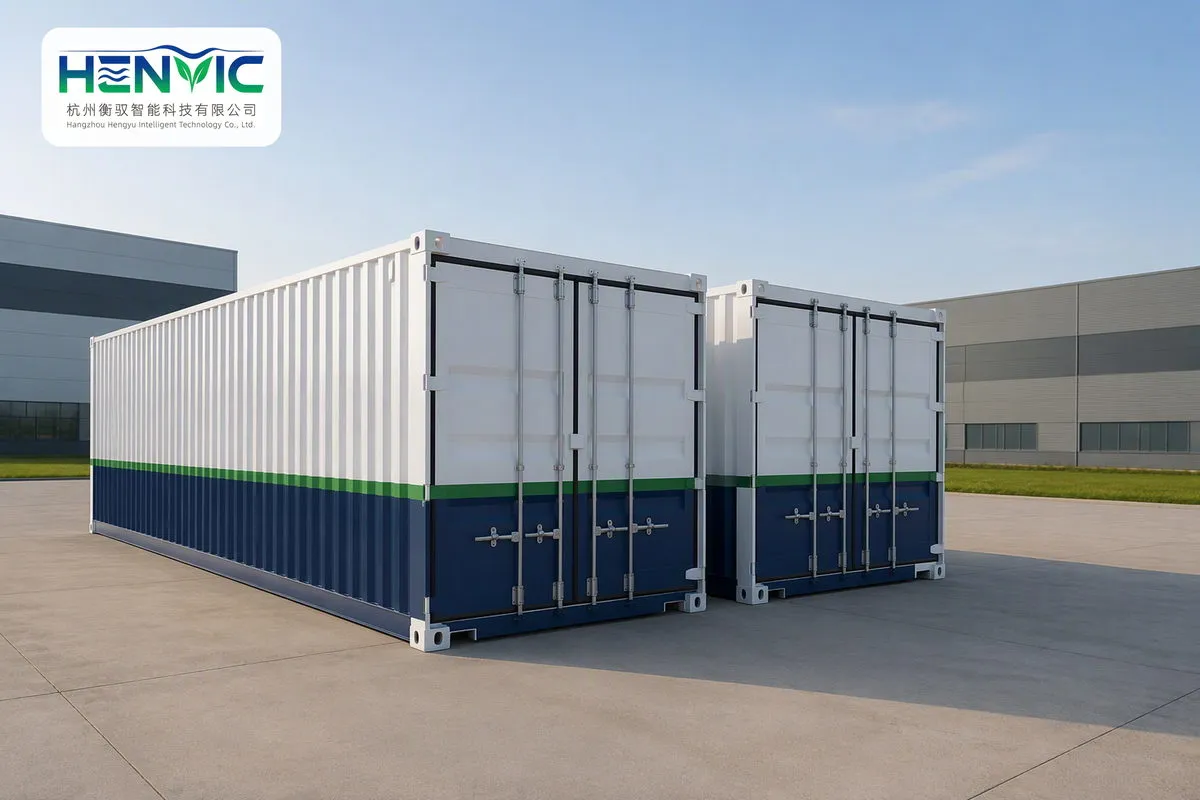
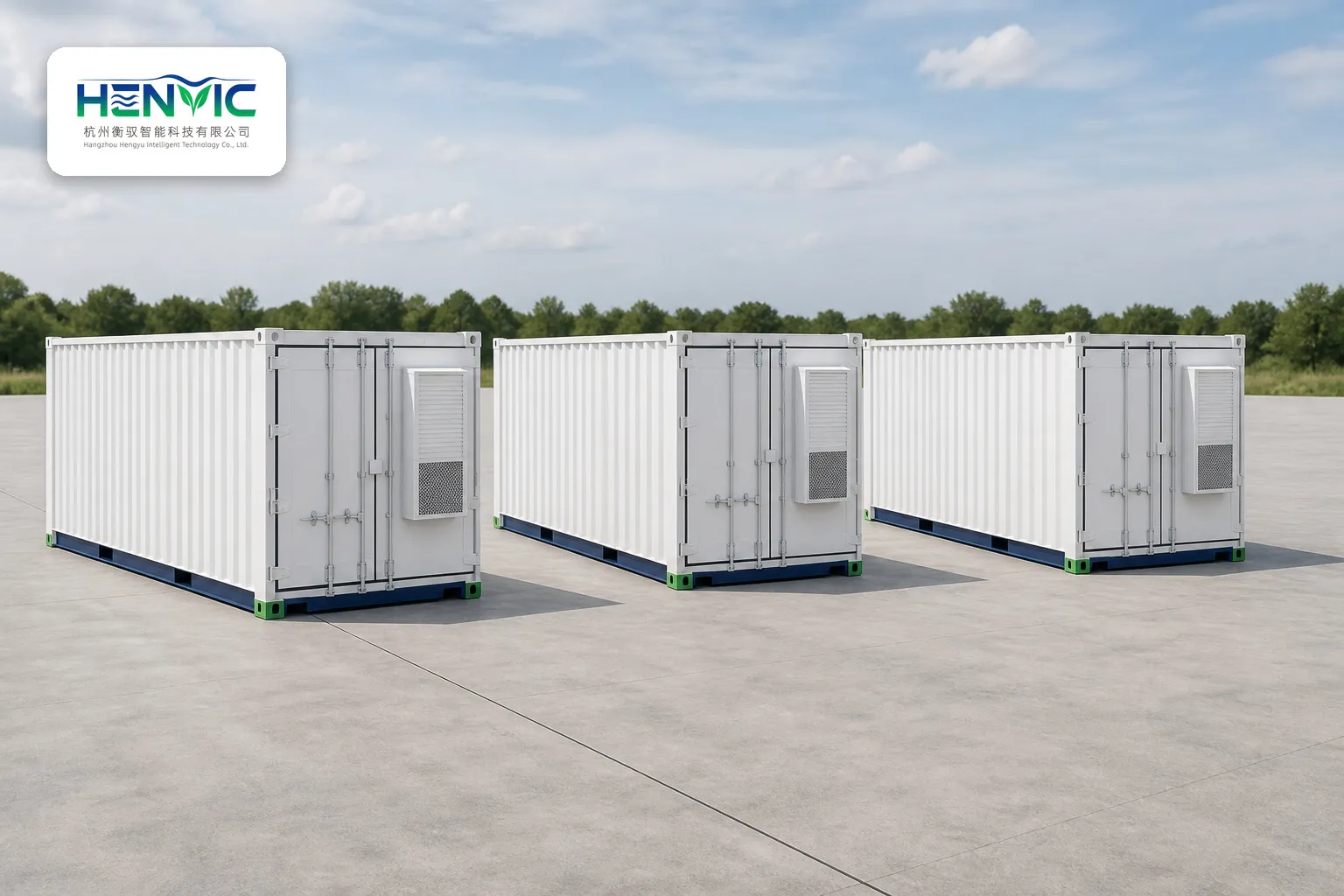
Leafy vegetable cultivation pods are independent smart agricultural facilities designed for the efficient production of leafy vegetables — such as lettuce, spinach, bok choy, and celery. Usually constructed as compact enclosures equipped with modular systems for lighting, climate control, hydroponics, and automated regulation, the cultivation pod creates an ideal growth environment independent of natural climate, soil conditions, and geographic constraints.
Driven by the growing demand for safe, fresh, pollution-free leafy vegetables and the ongoing rise of urban agriculture, plant factories have emerged rapidly. Cultivation pods, as core supporting facilities in small-scale and continuously operated scenarios, provide reliable technical solutions for achieving standardized, stable, and high-yield leafy vegetable production.
II. Core Systems of Leafy Vegetable Cultivation Pods
A leafy vegetable cultivation pod integrates multiple intelligent functional modules to meet the full growth cycle needs of leafy crops.
1. Smart Lighting System
Utilizing full-spectrum LED plant growth lamps, the system dynamically adjusts light intensity, spectrum, and the photoperiod to match different growth stages of leafy vegetables. This optimization ensures healthy growth, enriches nutritional content, and shortens the cultivation cycle.
2. Climate Control System
Precise regulation of internal temperature, humidity, and airflow is achieved through sensors, air circulation devices, air conditioners, and humidity controllers. The system automatically responds to parameter deviations to maintain a comfortable environment, effectively avoiding diseases caused by temperature extremes or irregular humidity levels.
3. Hydroponic Cultivation System
Under soilless conditions, the system delivers nutrient solutions fully matched to the nutritional requirements of leafy vegetables to plant roots. This design eliminates soil contamination and pest accumulation, improves nutrient utilization, and ensures the safety and cleanliness of the final product.
4. Intelligent Control System
With real-time monitoring of key parameters such as temperature, humidity, light intensity, carbon dioxide concentration, nutrient solution pH, and EC value, the system automatically adjusts each module through preset programs or AI algorithms. This realizes minimal manual intervention and ensures continuous, stable, and reproducible production.
III. Key Industry Advan-tages
Compared with traditional open-field or standard greenhouse cultivation, leafy vegetable cultivation pods deliver significant advantages.
Year-round, Unrestricted Production: Enclosed environments remain unaffected by seasonal changes or harsh weather, enabling 365-day continuous cultivation and consistent market supply throughout the year.
High Safety and Quality: The enclosed space prevents pests and contaminants, reducing reliance on pesticides. The resulting leafy vegetables are pesticide-free, safe, and consistent in taste and nutrition.
Higher Yield and Efficient Land Use: The optimized environment accelerates plant growth, improves quality, and significantly boosts yield per unit area with a very small footprint.
Flexible and Easy Deployment: Cultivation pods are modular and can be installed in basements, rooftops, community spaces, and remote areas with poor soil. They support decentralized, on-site production.
Water and Fertilizer Efficiency: The closed-loop hydroponic system saves significant amounts of water, minimizes fertilizer waste, and supports sustainable, eco-friendly cultivation.
IV. Main Application Scenarios
Leafy vegetable cultivation pods are widely utilized in several sectors.
1. Commercial Production
Scaled deployment enables year-round commercial cultivation that meets the demand for safe, high-quality leafy vegetables in urban markets. It also shortens supply chains and reduces food loss during transport.
2. Urban Agriculture and Community Gardens
Pods allow localized planting in urban settings for direct supply to households and communities, ensuring freshness and offering engaging agricultural experiences.
3. Education and Scientific Research
As experimental platforms, cultivation pods facilitate the study of plant growth mechanisms, nutrient formulations, and smart agriculture technologies, serving the educational and research needs of agricultural institutions.
4. Climate-resilient and Facilities Agriculture
In regions with extreme climates, poor soil, or limited arable land, cultivation pods provide a reliable and stable means of food production.
V. Industry Development Trends
The leafy vegetable cultivation pod industry is undergoing rapid technological and application-based evolution.
1. Intelligent Integration
Future systems will incorporate advanced artificial intelligence and the Internet of Things for automatic diagnosis, optimization, and remote management to lower operational costs and enhance cultivation precision.
2. Energy Efficiency and Sustainability
With optimization in thermal insulation, energy recovery, and green power integration, cultivation pods are evolving toward low-carbon, energy-saving operations.
3. Multifunctional Hybrid Production
Cultivation pods will expand from dedicated leafy vegetable planting to integrated multi-crop systems, improving device utilization as smart agricultural facilities.
4. Household-oriented Adaptation
With miniaturization and simplified controls, cultivation pods are moving into home use, allowing households to grow fresh leaves for daily consumption.
VI. Summary
Leafy vegetable cultivation pods exemplify smart, efficient, and green modern horticultural practices. They address the core needs of modern agriculture for safe food and efficient production. As technology advances and applications expand, cultivation pods will become essential components of sustainable agriculture and modern plant factories, providing robust support for secure, healthy food production and urban development.