Abstract
Container-based cultivation technology for leafy vegetables is at the forefront of modern precision agriculture. By integrating intelligent environmental control, resource-efficient systems, and standardized management, this technology transforms the production model of green leafy vegetables. It overcomes natural constraints and provides a sustainable path for urban agriculture, emergency food security, and the agri-fresh food industry.
1. Introduction
Leafy vegetables, including lettuce, spinach, and bok choy, are essential in a healthy diet due to their rich vitamin, mineral, and dietary fiber content. Traditional open-field planting is vulnerable to weather, regional limitations, and environmental pollution. Meanwhile, the prolonged supply chain often reduces the freshness and nutritional quality of leafy vegetables.
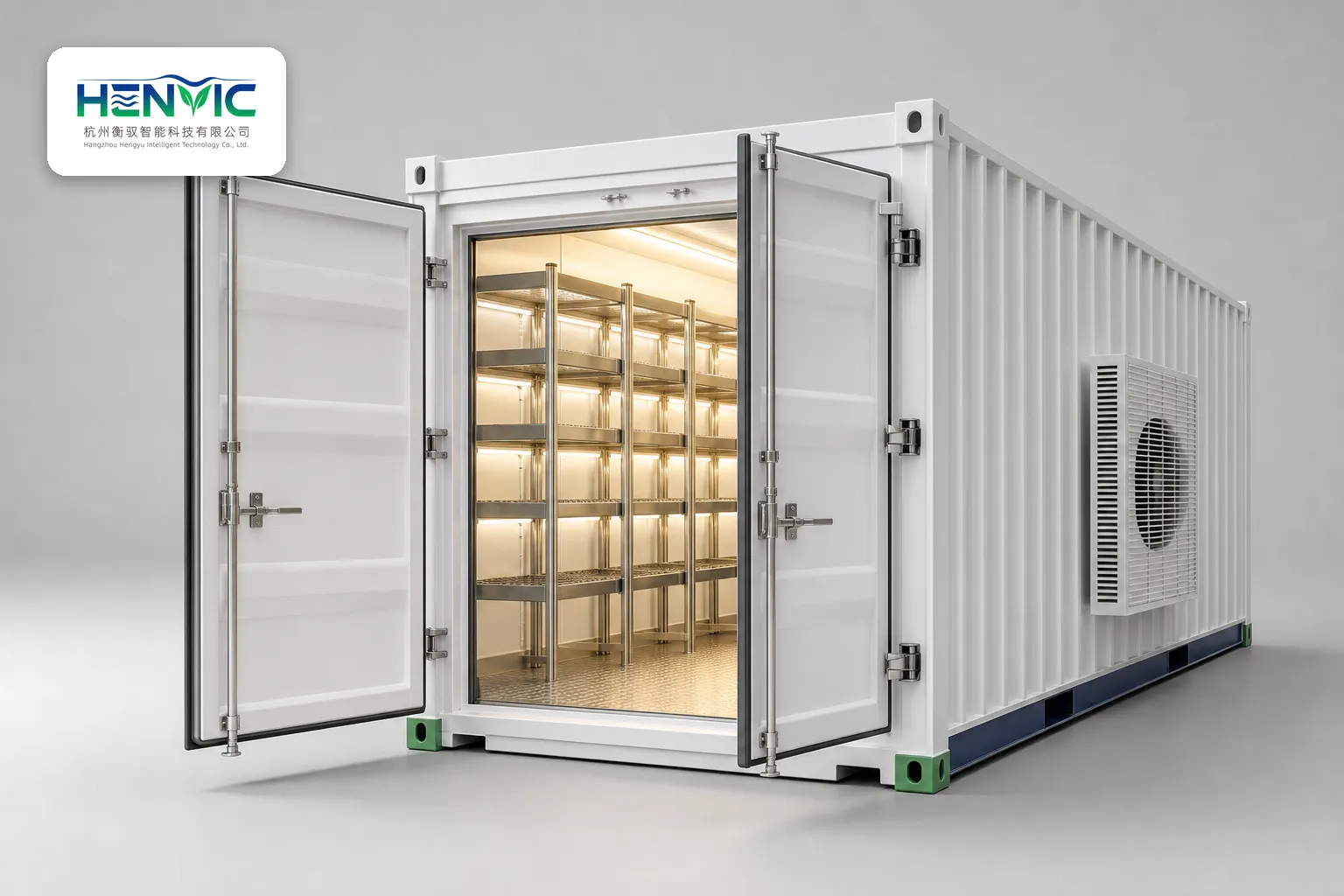
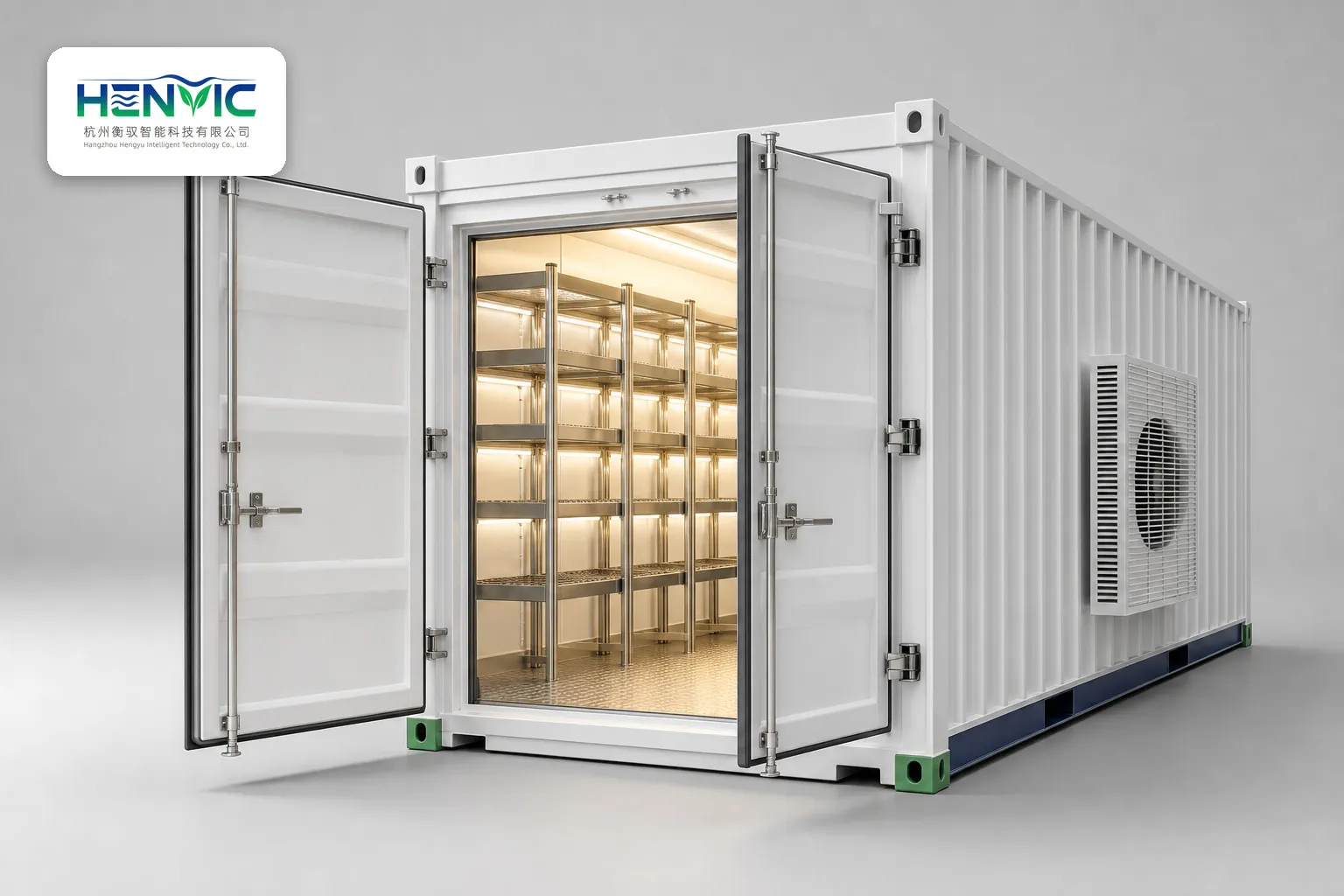
A cultivation container for leafy vegetables is a closed, controllable facility built on the concept of "micro-climate agriculture." It integrates intelligent control, water-saving irrigation, and energy-efficient technologies to create a stable, clean growth environment. This enables standardized, year-round production, bringing fresh, high-quality leafy vegetables closer to consumers.
2. Core Technical Composition
The technology of leafy vegetable cultivation containers is a holistic system where each module complements the others to optimize crop growth.
2.1 Closed-Loop Environmental Control System
This system is the cornerstone, ensuring continuous, stable conditions for growth.
- Temperature Regulation: The container is lined with insulation, paired with smart heating and cooling devices. It maintains an optimal temperature range, avoiding stress from temperature fluctuations.
- Humidity Management: Sensors monitor humidity in real time. A precise atomization humidifier and dehumidification modules dynamically adjust moisture levels to promote healthy growth and minimize water loss.
- Air and Gas Regulation: A multi-stage filtration system purifies the air. A ventilation loop maintains fresh airflow, balancing oxygen and carbon dioxide to enhance photosynthesis and maintain a clean growing environment.
2.2 Energy-Lighting and Climate System
Light is crucial for leafy vegetables. This system replicates ideal sunlight conditions.
- Full-Spectrum LED Illumination: High-efficiency LEDs provide specific light spectra that accelerate photosynthesis and increase output. The spectrum, intensity, and photoperiod can be adjusted to fit the growth cycle, shortening the harvest period.
- Smart Shading & Airflow: An internal airflow circulation design promotes uniform growth in all corners, preventing poor ventilation and ensuring high, consistent quality. It also allows flexible control to adapt to seasonal sunlight variations.
2.3 Hydroponic and Nutrient Management System
This system provides a sanitary and efficient way to deliver water and nutrients.
- Closed-Loop Hydroponics: Using advanced nutrient film technique (NFT) or aeroonics, plants grow without soil. The circulating system supplies moisture and oxygen directly to the roots, reducing the risk of soil-borne diseases and yielding clean, residue-free vegetables.
- Intelligent Fertilization: Solute sensors and automated dosing meters monitor and adjust nutrient concentration in real time. This optimizes nutrient use, improves efficiency, and minimizes agricultural waste.
2.4 Intelligent Monitoring and Automation
Technology makes the container low maintenance and highly productive.
- IoT Sensors: Multiple sensors continuously track temperature, humidity, light, CO₂, pH, and EC levels.
- Centralized Control Platform: Data is displayed and stored for tracing. The system automatically adjusts devices based on preset parameters to reduce manual labor and operational errors.
- Remote Operation: Farmers can monitor and control containers via mobile devices, enabling individualized management and remote troubleshooting.
2.5 Durable Container Structure
The physical design ensures long-term reliability and hygiene.
- Material: The inner space uses stainless steel or moisture-proof, corrosion-resistant panels that are easy to clean, preventing contamination and extending equipment lifespan.
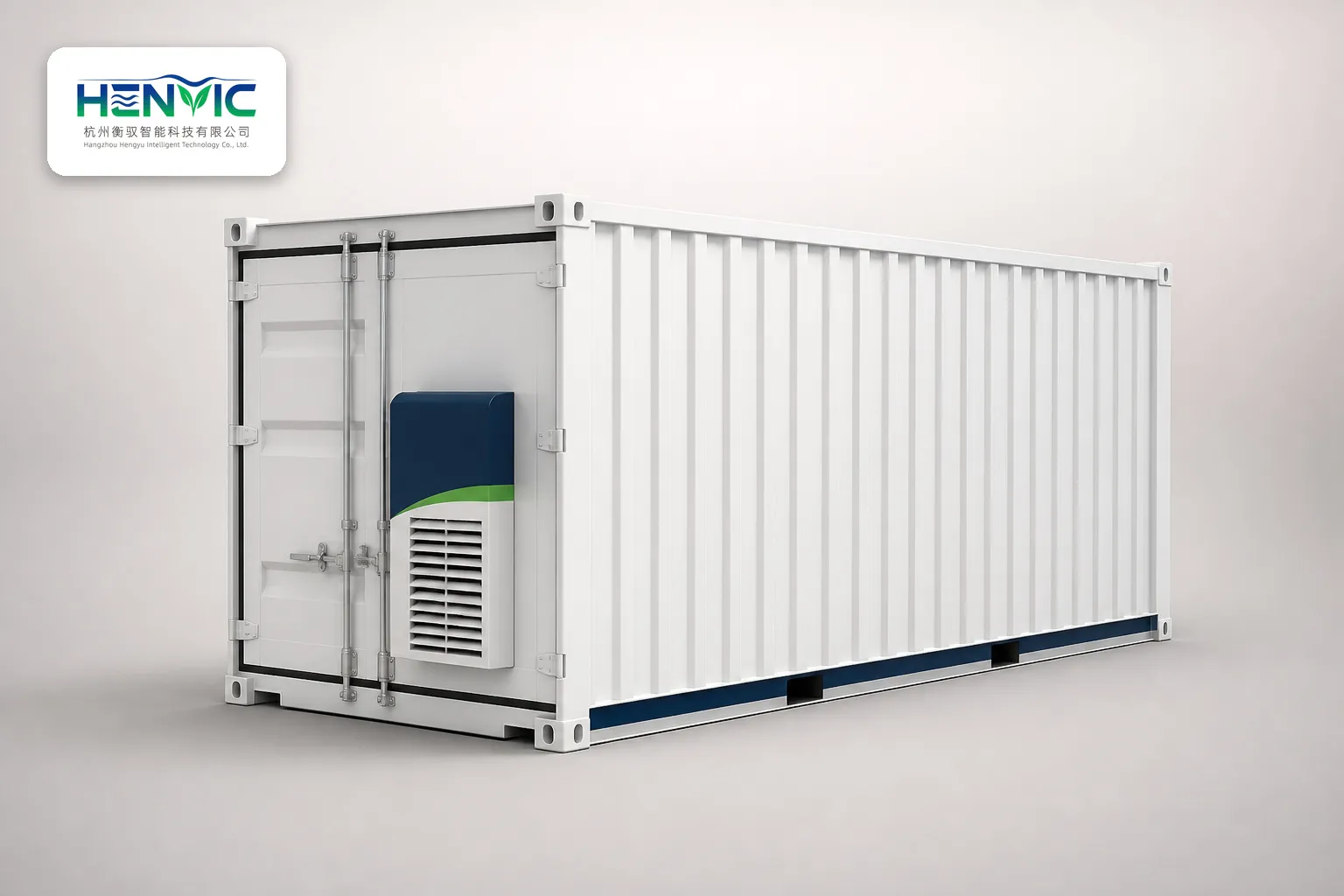
- Modular Design: The overall structure is compact and self-sufficient, allowing flexible deployment in urban rooftops, basements, and industrial sites without complex site preparation.
3. Core Features and Benefits
3.1 Stable and Reliable Production
The container creates a closed environment, independent of external climate. This enables year-round, all-weather production, completely eliminating risks from extreme weather and seasonal limitations.
3.2 Safe and High-Quality Products
Strict sterilization, clean hydroponics, and contaminant-free processes ensure safety. The stable environment boosts nutritional content, yield, and product uniformity compared to open-field produce.
3.3 Resource Efficiency and Eco-Friendliness
The closed-loop water and nutrient circulation means water usage is vastly reduced compared to traditional farming. Energy-efficient equipment lowers operating costs, aligning with green and sustainable agricultural goals.
3.4 Sustainability and Traceability
Every batch of vegetables is grown with fully digital management, ensuring full traceability from seed to harvest. This meets the growing consumer demand for agricultural transparency and food safety.
4. Application Scenarios
- Urban Agriculture: Containers can be placed near urban centers or supermarkets, supplying fresh leafy vegetables directly to local communities and drastically reducing carbon emissions from long-distance transport.
- Commercial Farming: By optimizing high-density stacking, farmers can achieve high output per square meter, increasing profitability and diversifying their production portfolios.
- Ecological and Emergency Prep: As a sustainable alternative, containers serve as independent food sources for ecological research stations, remote bases, or disaster relief, providing reliable food supplies.
5. Future Prospects
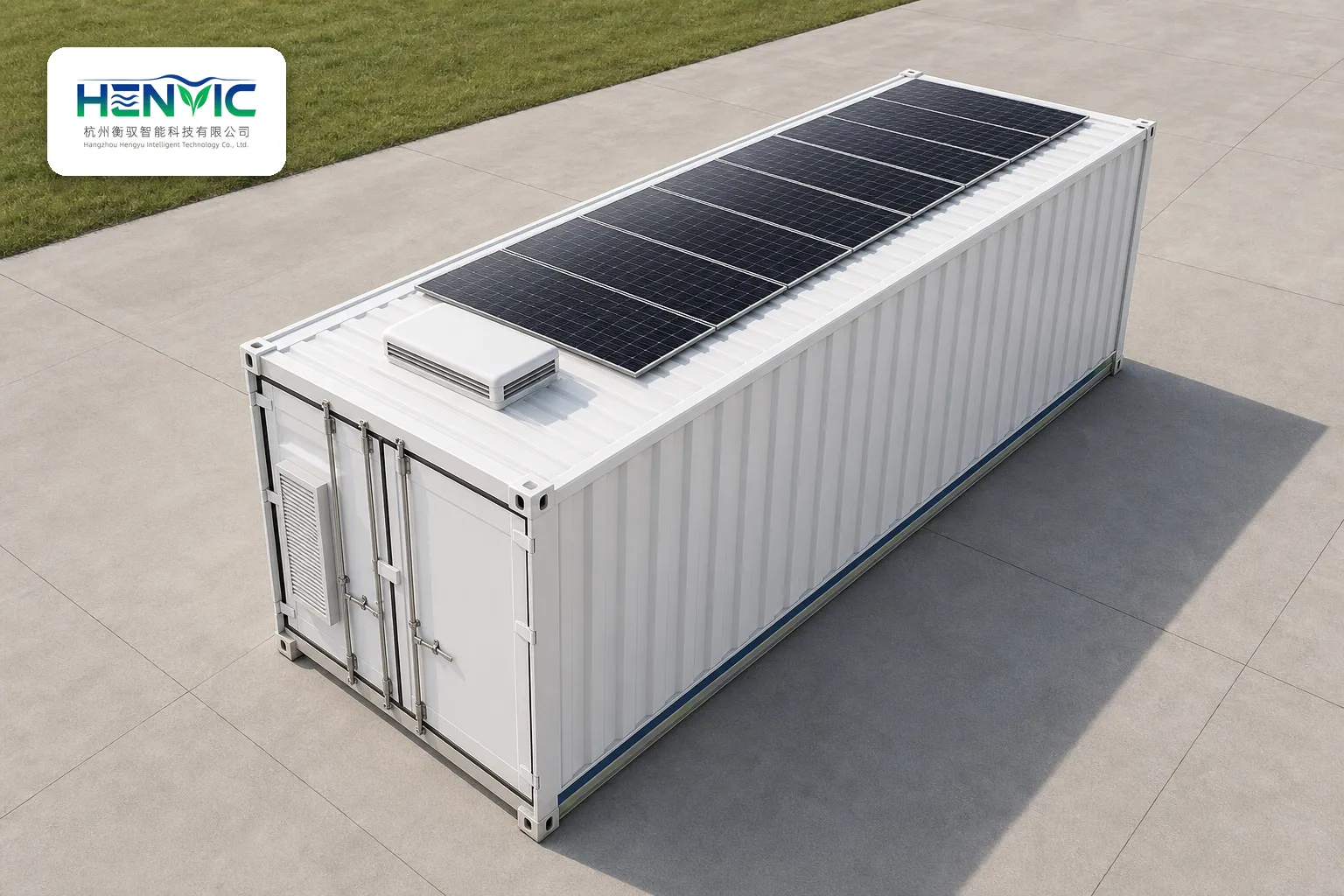
Looking ahead, technological evolution will further elevate Leafy Vegetable Cultivation Containers. AI integration will enable predictive adjustments, adapting to plant growth stages faster than human calibration. Advances in photovoltaic-integrated panels will promote off-grid, zero-carbon operations. Moreover, continuous reductions in equipment costs will make this technology increasingly accessible to small-scale farmers and household users, making it a vital component of global sustainable agriculture.
6. Conclusion
The Leafy Vegetable Cultivation Container represents a shift from traditional agriculture to a precise, efficient, and sustainable paradigm. By tightly integrating environmental control, hydroponics, and intelligence, it empowers rural revitalization and food security. As technology matures, it will inevitably drive a greener, more resilient, and locally-centered agricultural ecosystem for the future.