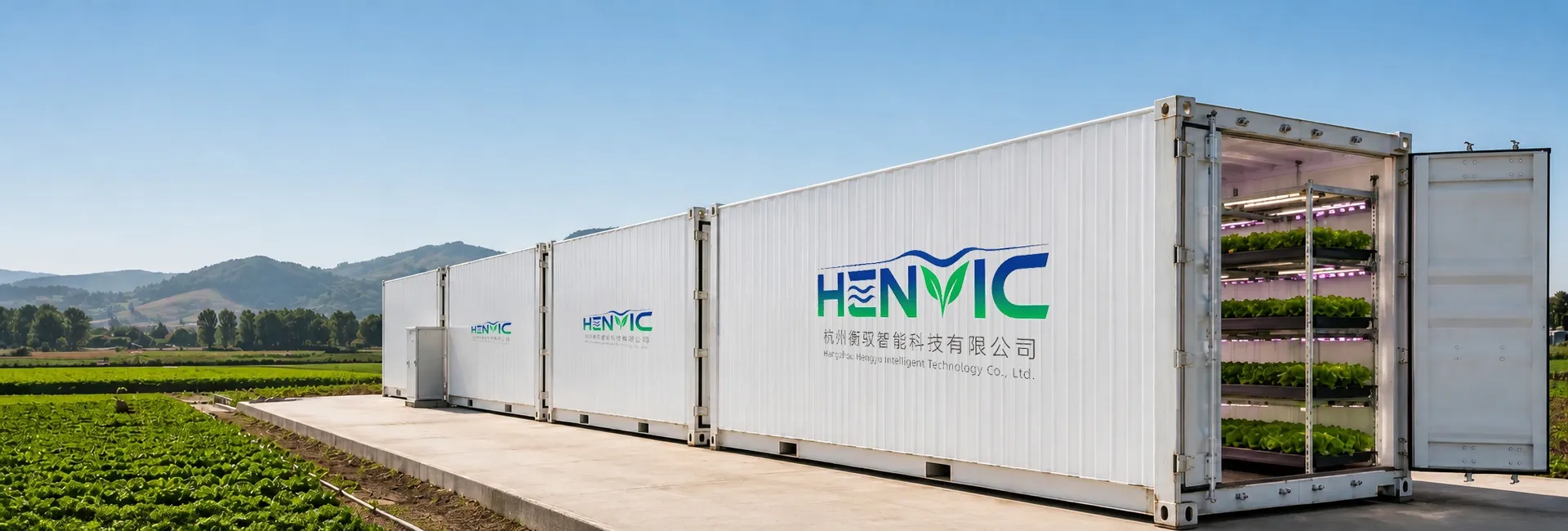
Mushrooms were among the first organisms humans learned to cultivate under controlled conditions. Long before the term "controlled-environment agriculture" existed, growers were regulating temperature and humidity in caves, cellars, and purpose-built sheds to coax fungi into fruiting. Today, that tradition has reached an industrial scale: mushrooms are grown in stacks of sealed containers—shipping containers, insulated modules, or specialized chambers—where every variable of temperature, humidity, carbon dioxide, and airflow is tuned to the species. The story of how mushroom cultivation moved from the cellar into the container is a story of engineering, automation, and a series of biological discoveries that made fungi, rather than leaves, the ideal crop for enclosed environments. This article traces that development and the technology that defines it today.
1. Why Mushrooms Conquered the Chamber First
Mushrooms present a rare opportunity in agriculture. Unlike most crops, they do not need light for energy; as heterotrophs, they derive their nutrition from decaying organic matter, and their fruiting bodies can form in near-darkness. This makes them uniquely suited to compact, vertically stacked production—exactly the conditions a shipping container or a sealed growth room provides. Where lettuce and strawberry farms demand intense lighting and deep root volumes, mushroom farms demand darkness, high humidity, and disciplined gas management. As commercial mushroom cultivation matured across the twentieth century, the infrastructure that grew up around it—composting lines, pasteurization tunnels, climate-controlled fruiting rooms—was already a form of enclosed-environment farming, waiting only for the arrival of modular, container-based hardware to be repackaged for new markets.
2. The Industrial Foundation (1950s–1990s): From Cave to Factory
The biological foundation of container-based mushroom farming was laid in the mid-twentieth century. In the 1950s, the United States and European producers moved button mushroom (Agaricus bisporus) cultivation out of limestone caves and into controlled growing rooms, using bottle-culture and tray systems that allowed precise management of the composting and fruiting phases. The multi-zone house, with separate areas for compost preparation, spawn run, casing, and fruiting, became the standard design. By the 1970s and 1980s, automated filling lines, bulk pasteurization, and climate-control systems were standard in large mushroom houses, and the Dutch and Chinese industries had scaled to industrial proportions. These "rooms," though not yet modular, established the operating logic that later container farms would adopt: the grower controls phase-specific conditions rather than a single uniform climate.
3. The Container Revolution (2000s–2010s): Mobile, Modular, and Market-Driven
The decisive shift to containers came in the early 2010s, driven by two forces: the availability of standardized shipping containers as cheap, prefabricated shells, and the rise of high-value specialty mushrooms whose prices could justify premium growing systems.
In 2013, a landmark project in the United States brought the concept into public view: a converted shipping container in Boston, operated by the startup FarmedHere, grew gourmet mushrooms in a fully climate-controlled environment, demonstrating that a 40-foot steel box could yield hundreds of pounds of specialty fungi per week. Around the same time, the Dutch company PlantLab and others in Europe were building modular, data-driven mushroom farms, while in Japan and China, container-based units began appearing for oyster mushrooms, shiitake, and enoki, often on rooftops, in urban basements, or at the edges of conventional farms. The container's appeal was obvious: it could be shipped, stacked, and plugged in anywhere, allowing growers to enter markets without building a fixed facility.
4. The Core Technology Stack
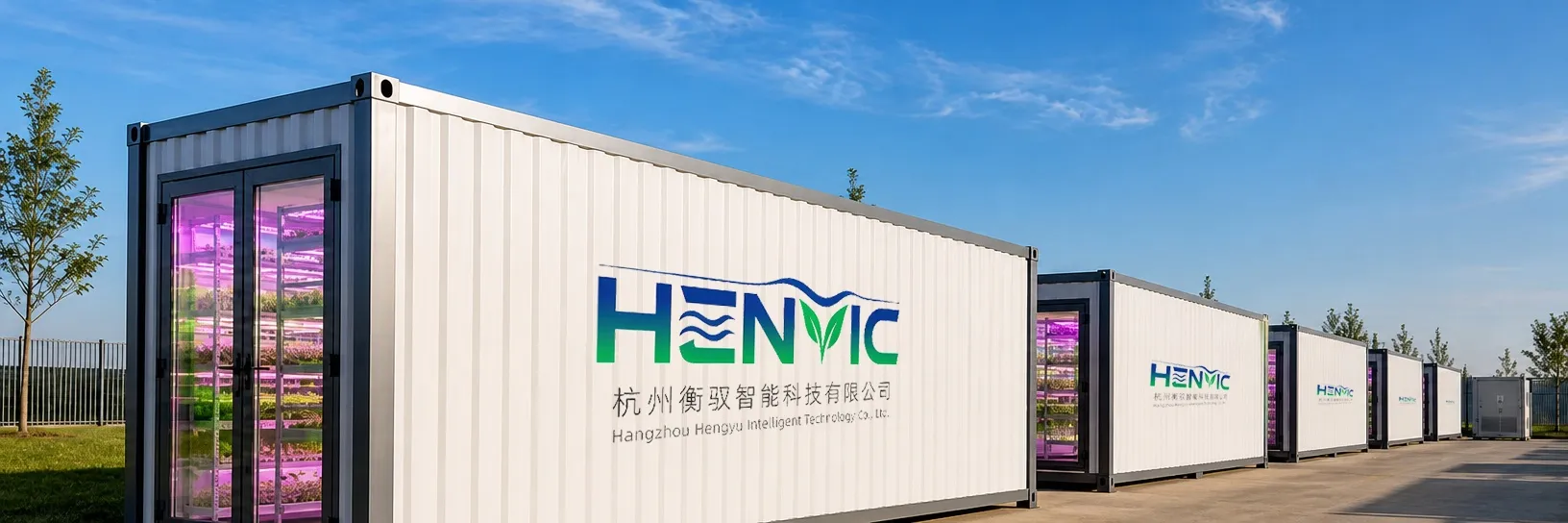
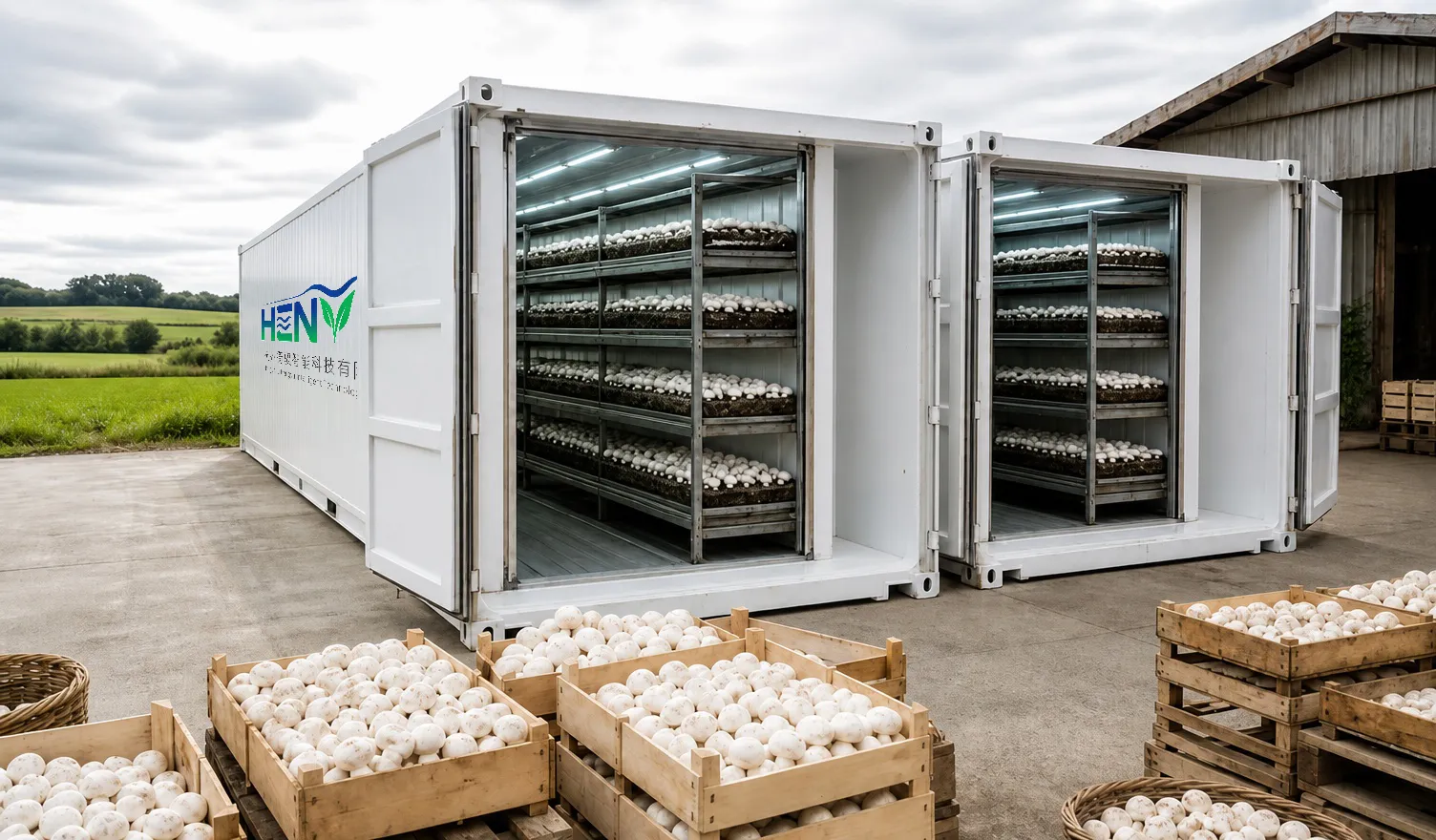
A modern mushroom cultivation container is a system of systems. Its structure is an insulated steel enclosure—often a modified shipping container—with doors, windows, and service openings adapted for climate control. Inside, the growing area is arranged on multi-tier racks holding bags, bottles, or trays of colonized substrate. The environmental system is the heart: variable-speed fans circulate air; heaters and chillers hold temperature within narrow bands (typically 22–26°C during spawn run, 15–20°C for fruiting); humidifiers maintain 85–95% relative humidity; and ventilation removes carbon dioxide and replenishes oxygen. Lighting is minimal—dim or absent—with brief light pulses for species requiring cap coloration. Water and substrate handling are separate: substrate is pasteurized or sterilized, inoculated with spawn, and managed under clean-room conditions, while water is used mainly for humidification and humidity maintenance. The control layer ties these together: a central controller or cloud platform schedules and adjusts every parameter, and sensors feed real-time data on temperature, humidity, CO2, and airflow.
5. From Fixed Setpoints to Intelligent Farming (2015–Present)
The latest phase is defined by the fusion of digital sensing, machine learning, and automation. As IoT sensors became cheap and reliable, container farms began streaming environmental data to cloud platforms, where algorithms could adapt conditions to species, strain, and growth stage rather than to a fixed program. Computer-vision systems inspect cap shape, stem length, and color to detect maturity and disease; machine-learning models predict pinning, yield, and harvest timing; and digital twins—virtual replicas of a container and its crop—allow growers to test strategies before committing resources. Automation extends to casing, pinning management, harvesting, and grading, reducing the skilled labor traditionally required in mushroom production. In the past few years, Chinese and European manufacturers have begun exporting fully automated, turnkey container mushroom farms to markets in the Middle East, Southeast Asia, and beyond, with the same hardware serving oyster mushrooms in deserts, shiitake in temperate zones, and enoki in high-value urban markets.
6. Species-Specific Engineering
Container technology has also deepened our understanding of what different mushrooms need. Oyster mushrooms (Pleurotus spp.) fruit aggressively across a wide temperature range and tolerate low CO2, making them the most flexible and beginner-friendly choice for container cultivation. Button mushrooms require the most sophisticated control: a carefully managed compost, precise CO2 staging—high during spawn run to encourage long stipes, then sharply reduced to 400–600 ppm at pinning to stimulate cap development—and tight humidity regulation. Enoki demands the opposite of oyster mushrooms: very high CO2—around 8,000–10,000 ppm—to suppress caps and elongate stems, and low temperatures. Shiitake requires hardwood substrate, lower fruiting temperatures, and brief light exposure for proper brown cap coloration. Medicinal species such as reishi (Ganoderma lingzhi), turkey tail (Coriolus versicolor), and lion's mane (Hericium erinaceus) are grown in specialized containers for their bioactive compounds, with substrate formulations and environmental conditions optimized for yield and active-ingredient content. Each species defines a distinct setpoint profile, and the best container farms are those that can be reprogrammed quickly for the crop in demand.
7. Frontier Applications
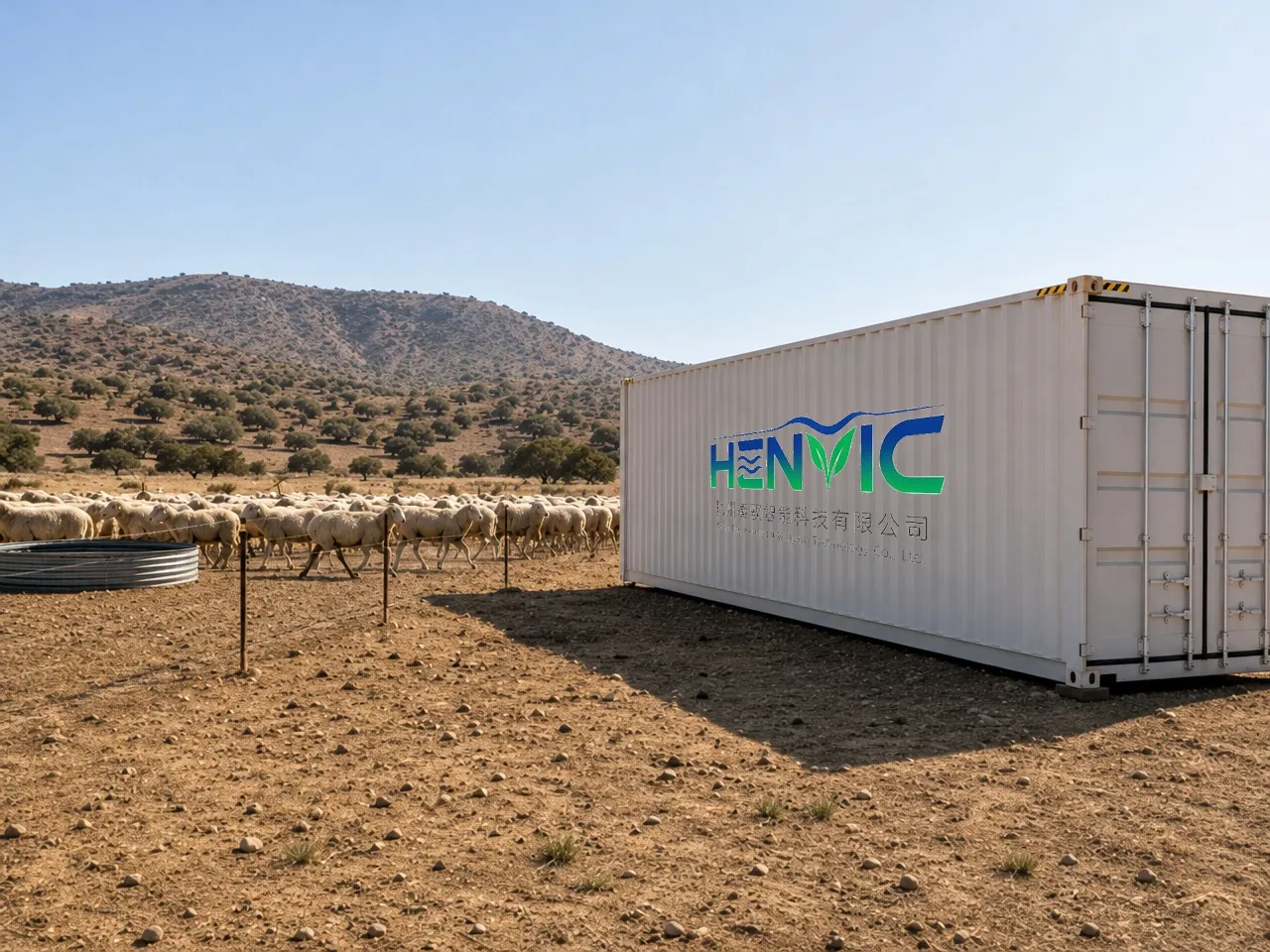
Container mushroom farms have expanded into markets that conventional farms cannot reach. In arid desert climates, containers produce fresh oyster mushrooms and shiitake with minimal water loss, serving premium local markets. In urban areas, container farms supply restaurants with specialty mushrooms within hours of harvest, cutting food miles and acting as a buffer against supply-chain disruption. Remote communities, military installations, and polar research stations use them to generate fresh produce where resupply is costly or impossible. In the medical field, container farms host medicinal mushroom production for pharmaceuticals, and the same technology is used to multiply mushroom spawn for conservation and bioremediation programs. The modular nature of containers also makes them ideal for research: a single unit can be configured, instrumented, and used to test dozens of substrate recipes, light regimes, or environmental strategies without building a dedicated facility.
8. Challenges and the Next Decade
The technology's main challenge remains energy and capital intensity. Humidification, ventilation, and temperature control for mushroom fruiting are demanding, especially when CO2 must be managed dynamically, and the economics improve only as efficiency rises. The next decade will likely see deeper integration with renewable power, further refinement of substrate formulations and environmental profiles for underutilized species, and the spread of standardized, turnkey container platforms that lower the barrier to entry. As AI models of mushroom growth become more precise, and as modular hardware becomes cheaper and more interoperable, the container mushroom farm is poised to move from a niche product into shared infrastructure—providing fresh, high-value fungi in places that conventional agriculture cannot reach.
The century-long journey from cave to container reflects a broader truth: mushrooms were always the crop most willing to be farmed indoors. Container technology has simply caught up with the fungi, turning the conditions they always preferred into a standardized, exportable product.