Henvic News
2026-09-23
Technical Principles
Working Principles of Mushroom Cultivation Cabins: Building a Controlled Micro-Environment for Precise Fungal Growth
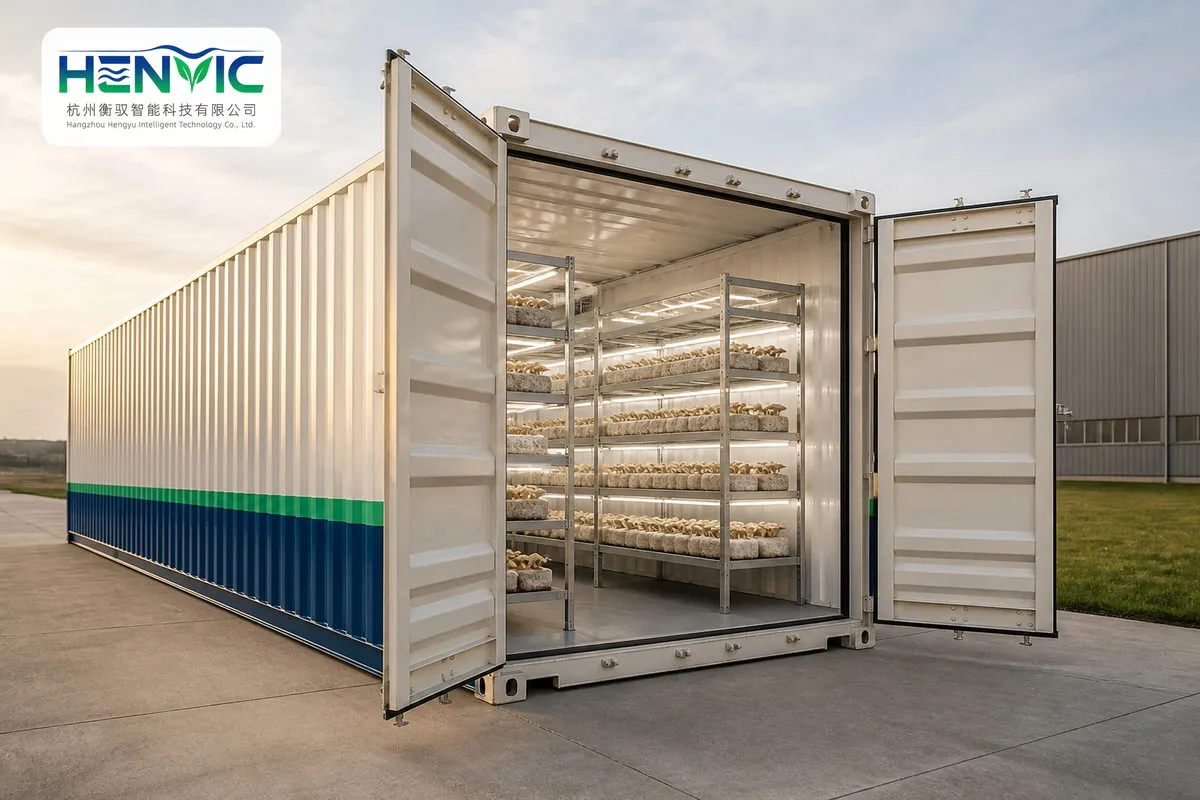
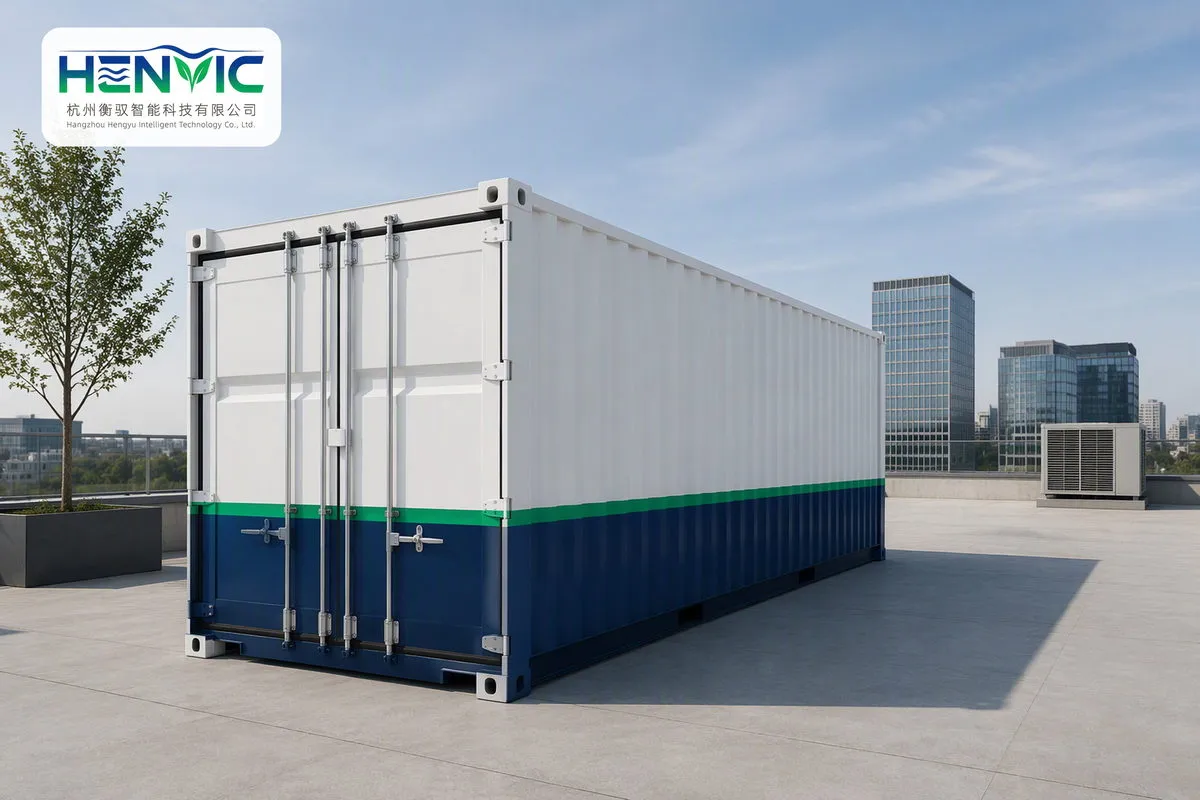
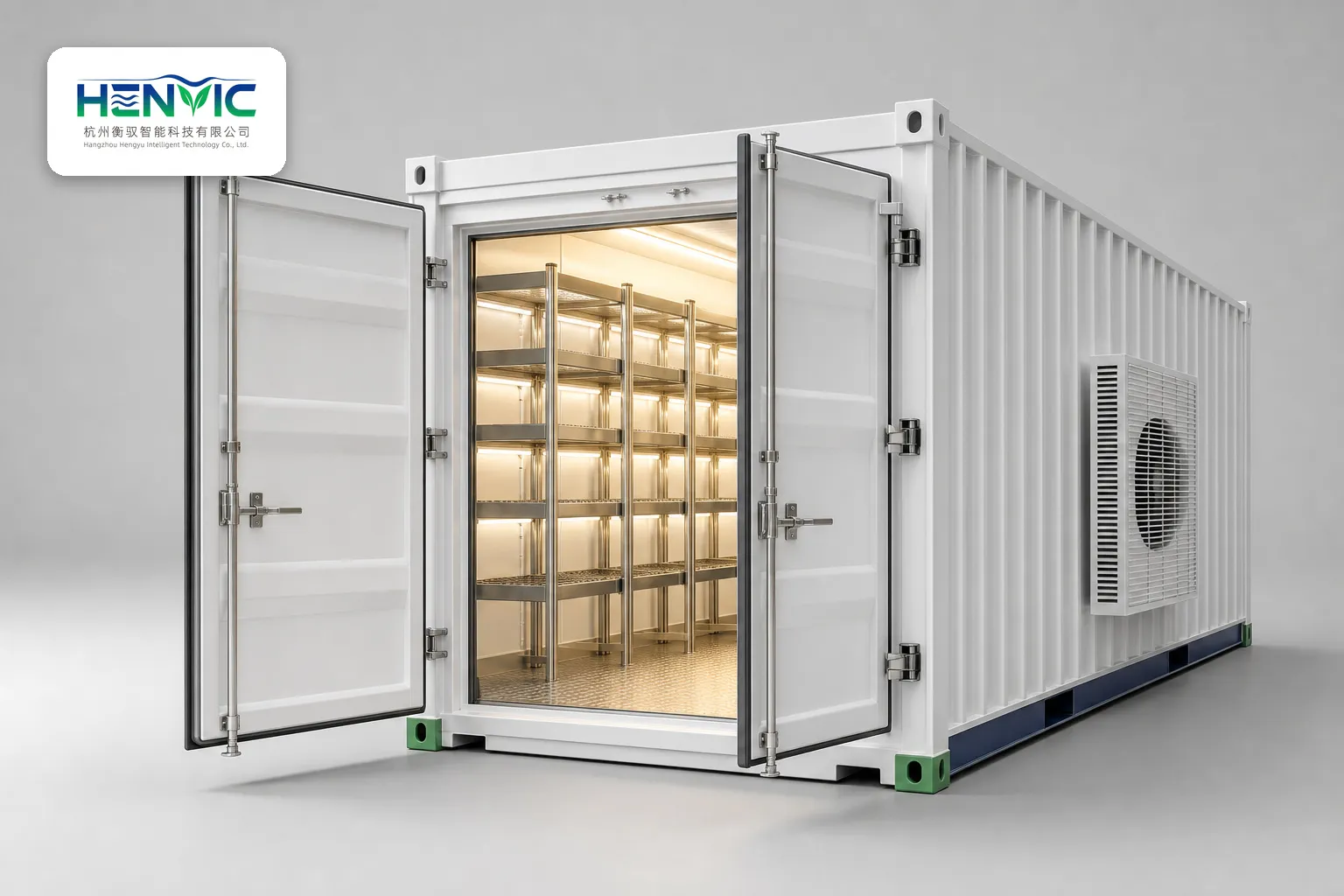
Mushroom cultivation cabins are specialized enclosed or semi-enclosed facilities designed to create stable, controllable micro-environments that fully align with the growth characteristics of edible and medicinal fungi. Unlike greenhouses for vegetables or fruit trees, mushroom cultivation cabins focus on regulating factors such as air circulation, humidity, temperature, light, and carbon dioxide concentration, as mushrooms absorb nutrients through mycelium networks rather than photosynthesis. Their core working principle centers on by replicating the natural habitat of mushrooms, these cabins ensure consistent, efficient, and standardized cultivation, effectively breaking the dependence on seasonal cycles and natural climates.
Mushroom cultivation cabins are specialized enclosed or semi-enclosed facilities designed to create stable, controllable micro-environments that fully align with the growth characteristics of edible and medicinal fungi. Unlike greenhouses for vegetables or fruit trees, mushroom cultivation cabins focus on regulating factors such as air circulation, humidity, temperature, light, and carbon dioxide concentration, as mushrooms absorb nutrients through mycelium networks rather than photosynthesis. Their core working principle centers on by replicating the natural habitat of mushrooms, these cabins ensure consistent, efficient, and standardized cultivation, effectively breaking the dependence on seasonal cycles and natural climates.