I. Industry Overview
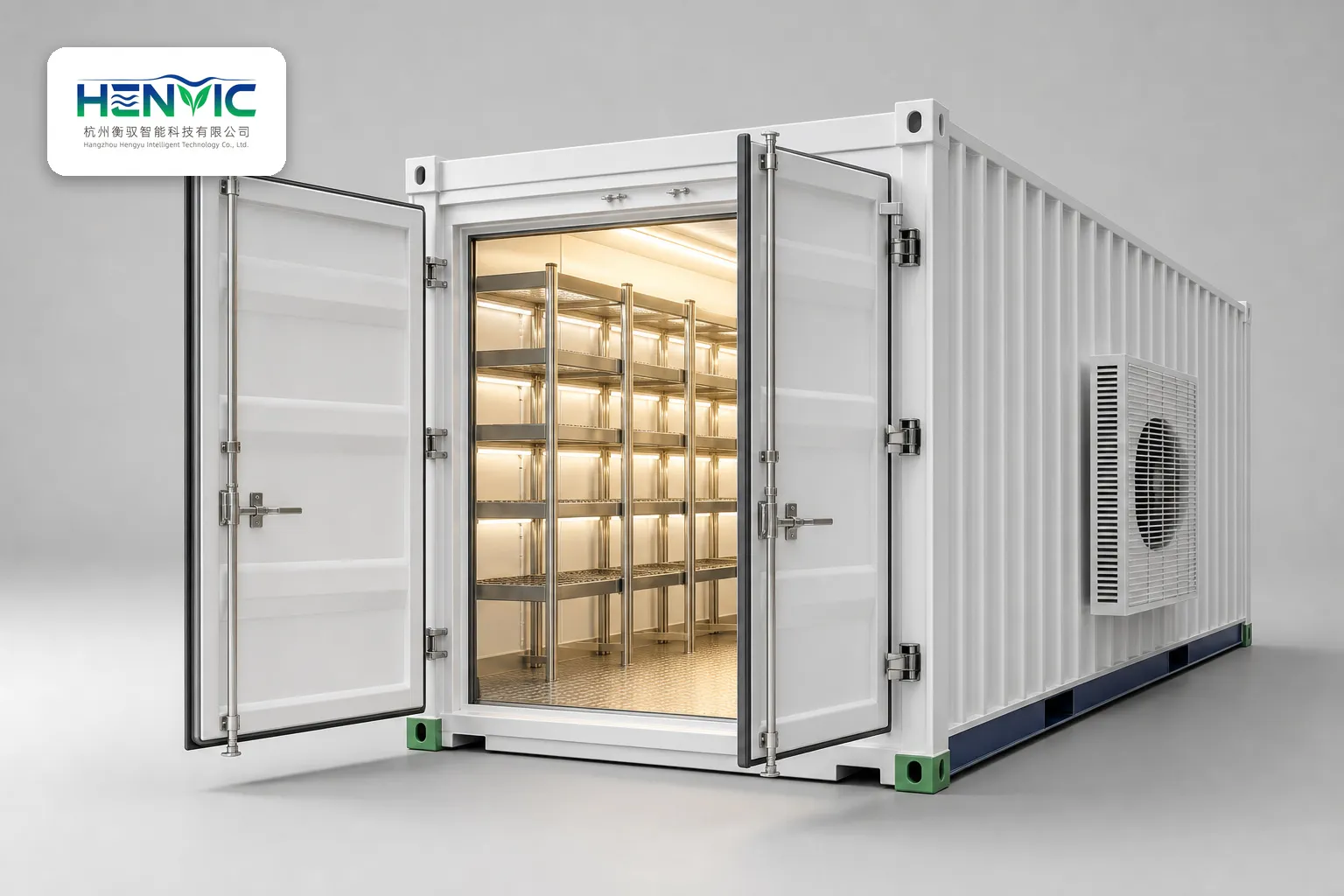
Celery cultivation containers are specialized Controlled Environment Agriculture (CEA) systems designed specifically for the industrial-scale, closed-loop production of celery. Celery, with its high water content, delicate cell structure, and strict environmental requirements, is highly susceptible to wilting, bolting, and fiber overdevelopment under traditional open-field farming. By tightly controlling temperature, humidity, lighting, and water-fertilizer metrics inside a standardized steel container, this technology allows for continuous, year-round, pesticide-free cultivation, ensuring a steady supply of crisp, high-quality celery regardless of external weather conditions.
II. Core System Composition
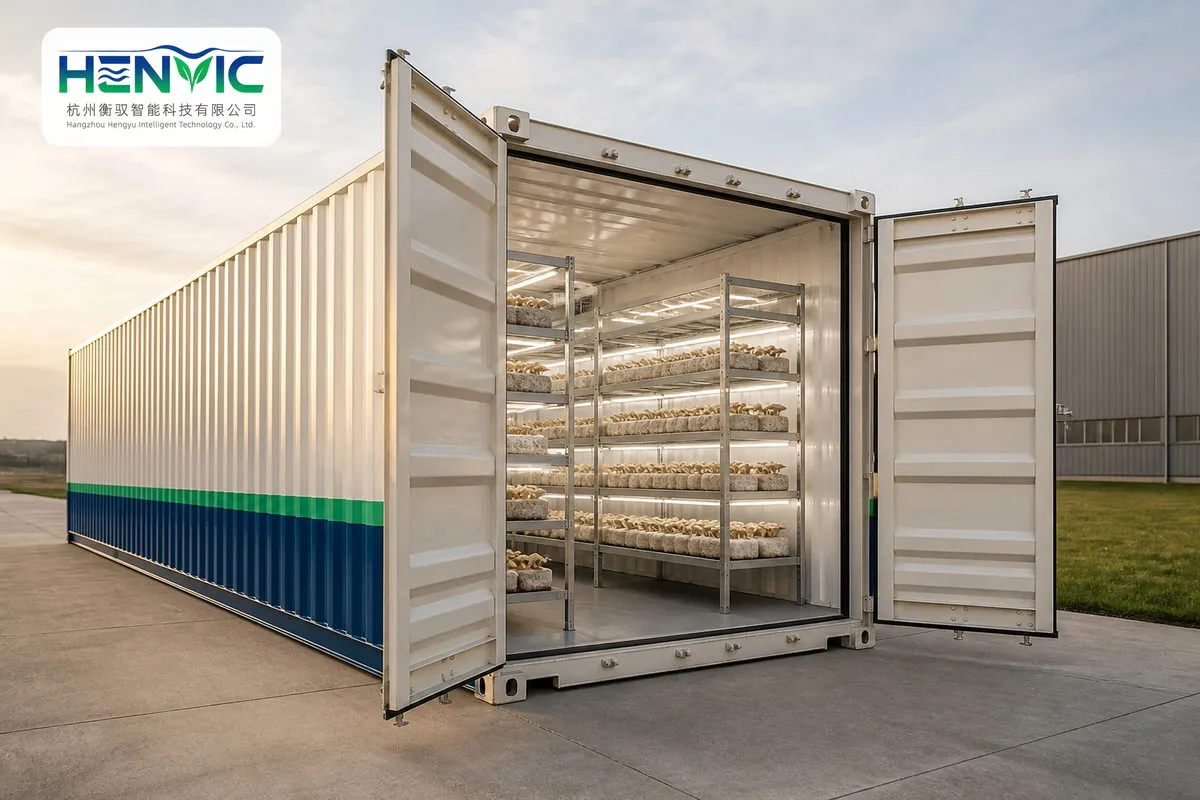
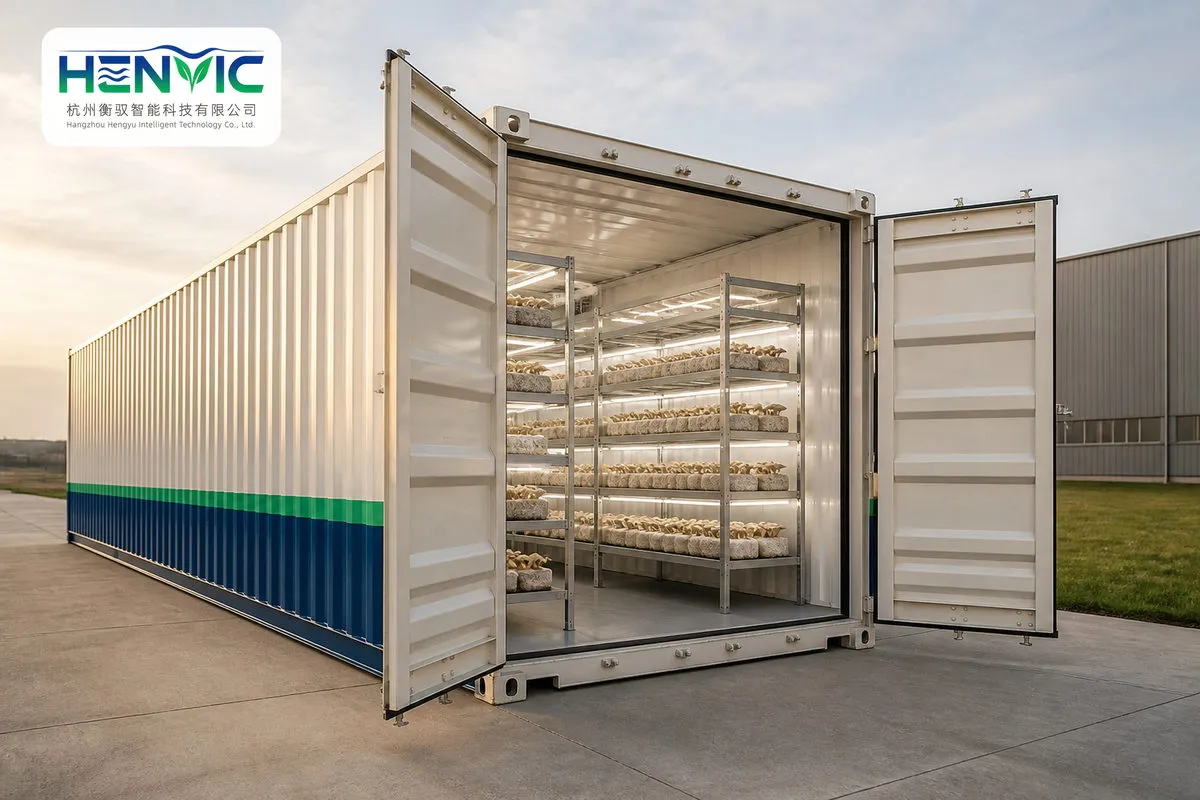
Cultivating celery successfully in a container requires mimicking its natural ecological niche while accelerating growth. A typical celery cultivation container comprises the following integrated systems:
- Precise Environmental Control System (HVAC)
Celery thrives in cool climates. During the vegetative phase, the ideal temperature range is usually maintained between 15°C and 20°C. The HVAC system regulates internal temperatures to prevent premature bolting (the premature seeding process) while ensuring consistent nighttime temperatures to promote cell expansion and crispness. - Targeted Illumination System
Container cultivation requires artificial lighting. Celery benefits from high-intensity, full-spectrum LED grow lights. The system simulates precise daylight hours and a tailored "light recipe," which is critical for maintaining the plant’s vigorous photosynthesis without inducing excessive stem elongation. - Hydroponic and Nutrient Delivery System
Celery requires an abundant and consistent supply of water and nutrients to maintain its rigid structure. Typically, systems use Nutrient Film Technique (NFT) or Deep Water Culture (DWC). The nutrient solution—carefully formulated to meet specific N-P-K ratios and supplemented with calcium and magnesium to prevent tip-burn and hollow stems—is continuously circulated. - CO2 Enrichment System
To maximize photosynthetic efficiency, controlled CO2 enrichment is often employed. By injecting specific concentrations of carbon dioxide, the container accelerates celery growth, resulting in thicker petioles (stems) and increased overall yield. - IoT and Smart Management Brain
A network of sensors monitors water, EC (Electrical Conductivity), pH levels, temperature, and humidity in real-time. A centralized computer automatically adjusts the environment to maintain celery’s optimal growing parameters, minimizing manual intervention.
III. Core Advantages
Compared to traditional farming or standard greenhouse settings, celery cultivation containers offer several disruptive benefits:
- Superior Texture and Taste: The highly controlled environment guarantees that the water content and sugar levels of the celery remain optimal. The result is consistently crisp, juicy stalks without the stringy fibers often found in field-grown celery.
- Pesticide-Free and Clean Production: The fully enclosed space physically isolates the crop from common field pests and fungal diseases. This allows for a clean, pesticide-free cultivation process, which is highly valued in the health-conscious food market.
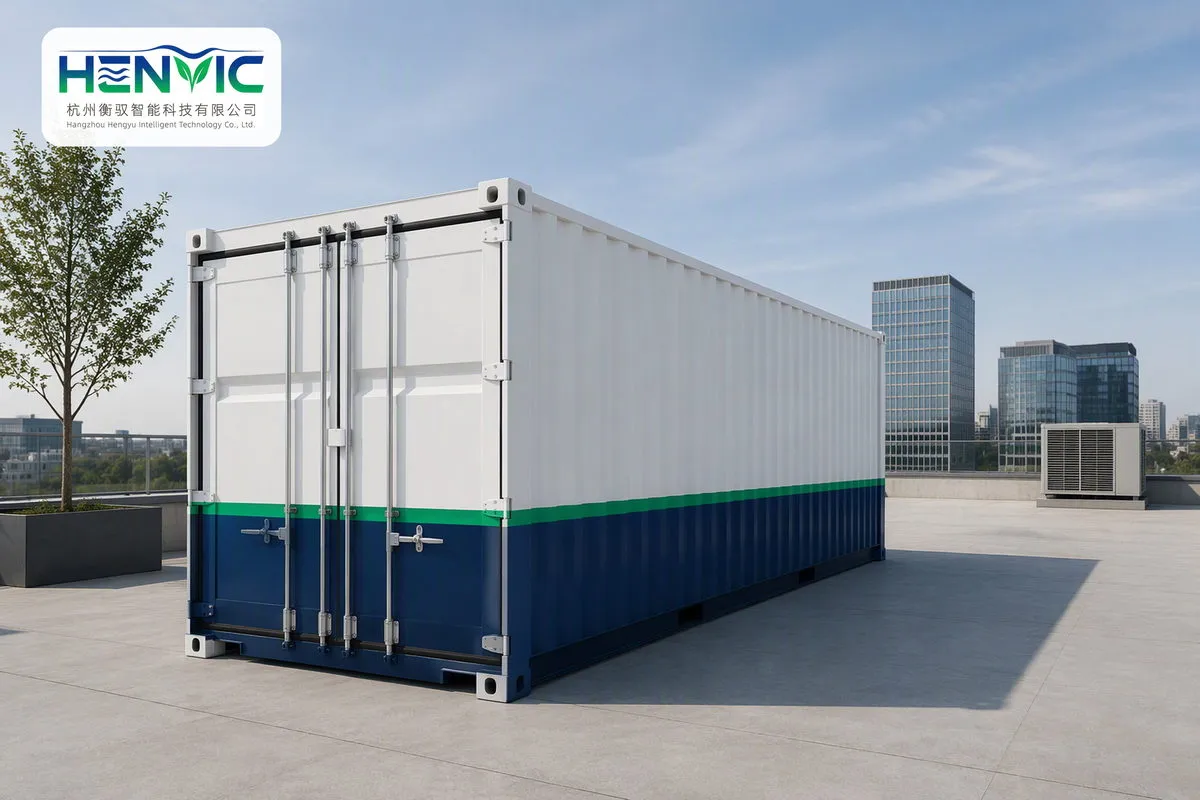
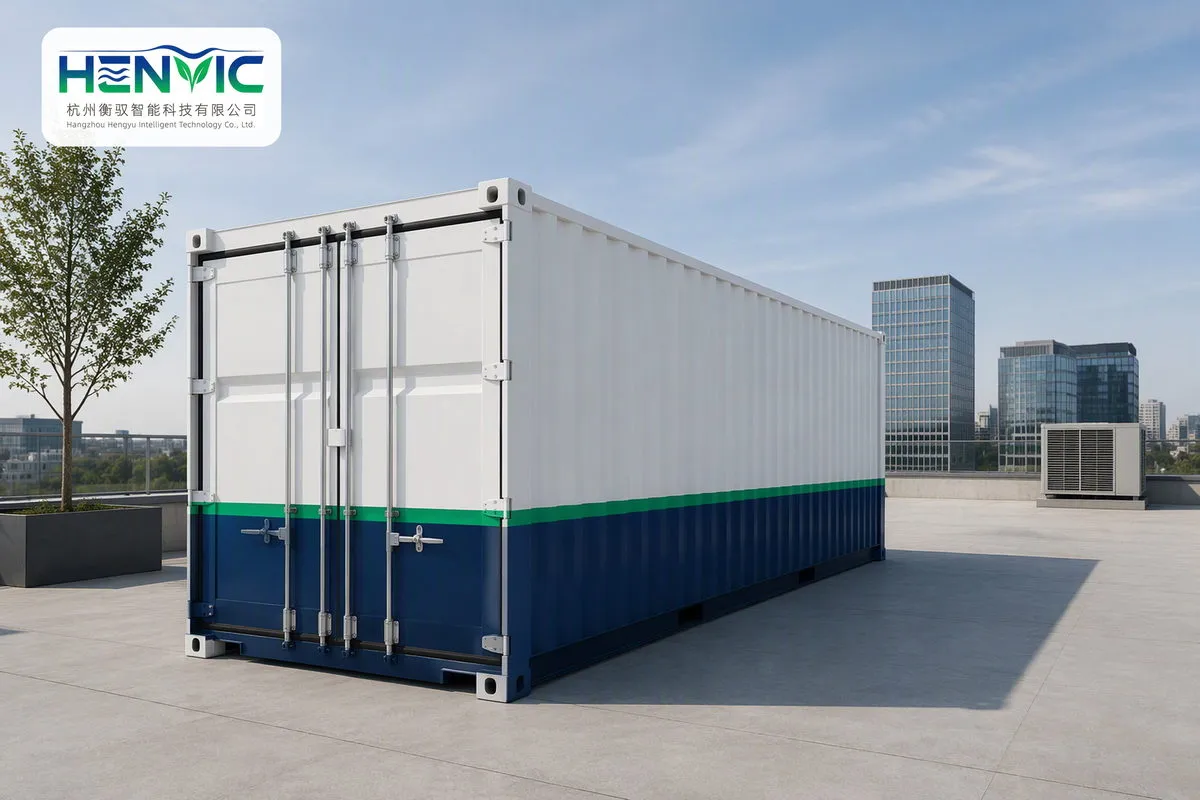
- Water and Land Efficiency: Deep hydroponic systems recycle water, reducing water usage by up to 90% compared to traditional irrigation. Moreover, multi-tiered shelving allows for massive horizontal space savings, enabling celery to be grown on rooftops, in basements, or deserted warehouses.
- Stability and Predictability: By eliminating rain, wind, and temperature fluctuations, growers can precisely predict harvest times and yields, reducing supply chain risks and ensuring consistent pricing.
IV. Cultivation Scenarios and Market Applications
Celery cultivation containers have found a wide range of applications across different sectors:
- Metropolitan Proximity Farming: Placing containers near urban centers allows distributors to deliver ultra-fresh celery to high-end supermarkets, restaurant chains, and food processing plants within hours of harvest, avoiding the nutrient loss associated with long-distance logistics.
- Special Environments and Demonstration Projects: Celery containers are excellent for remote bases, high-altitude outposts, or emerging agricultural demonstration parks where arable land or stable weather conditions are scarce. They demonstrate modern CEA capabilities, attracting education and agri tourism.
- Tailored Production for Niche Markets: Growers can easily tweak environmental parameters to produce specialized celery varieties, such as high-antioxidant types or sweet, premium-grade mahang celery, optimizing margins for luxury food markets.
V. Future Trends
As automation and artificial intelligence advance, the future of celery cultivation containers looks incredibly promising. The next generation of containers will likely integrate AI-driven crop phenotype analysis, allowing systems to autonomously adjust light wavelengths or nutrient ratios based on the real-time morphological state of the celery. Together with fully automated harvesting robots and blockchain-tracked production logs, celery cultivation containers will continue to push the boundaries of sustainable, hyper-efficient urban agriculture, feeding the growing population with safe, nutritious produce.