Introduction
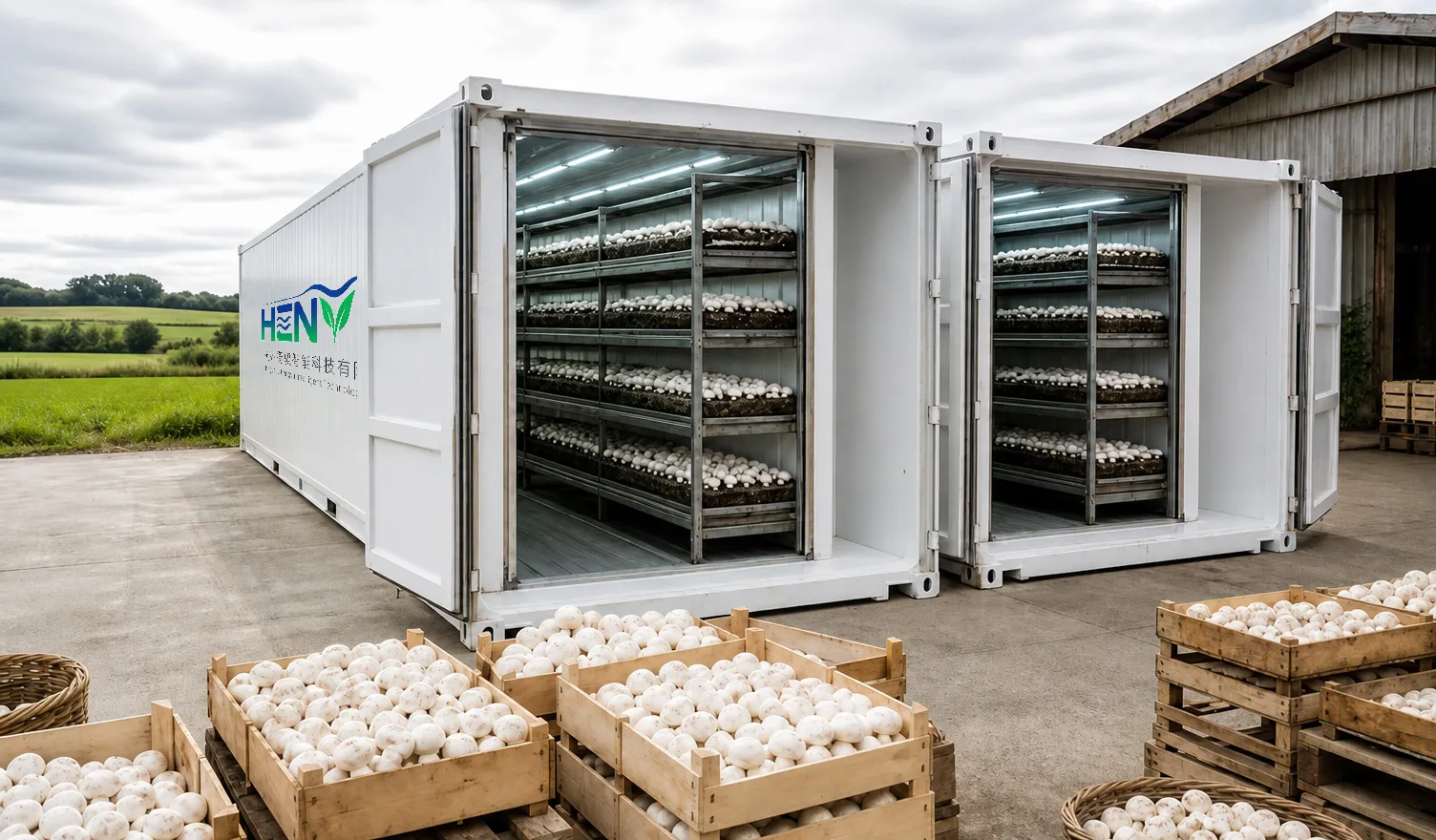
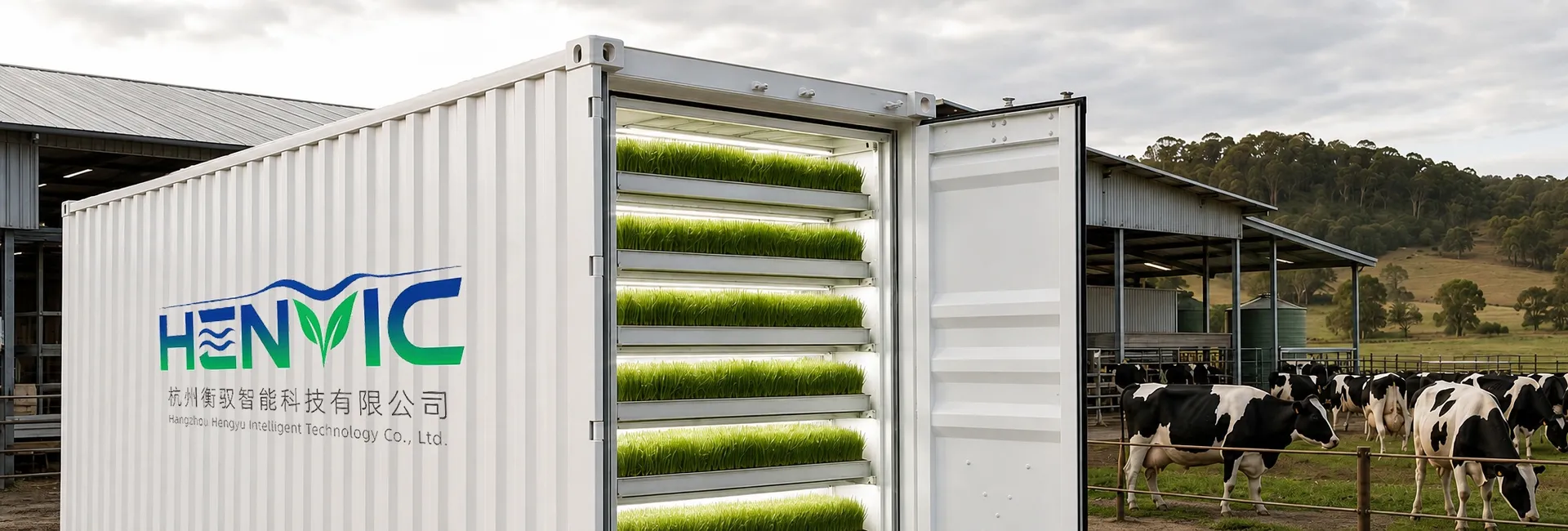
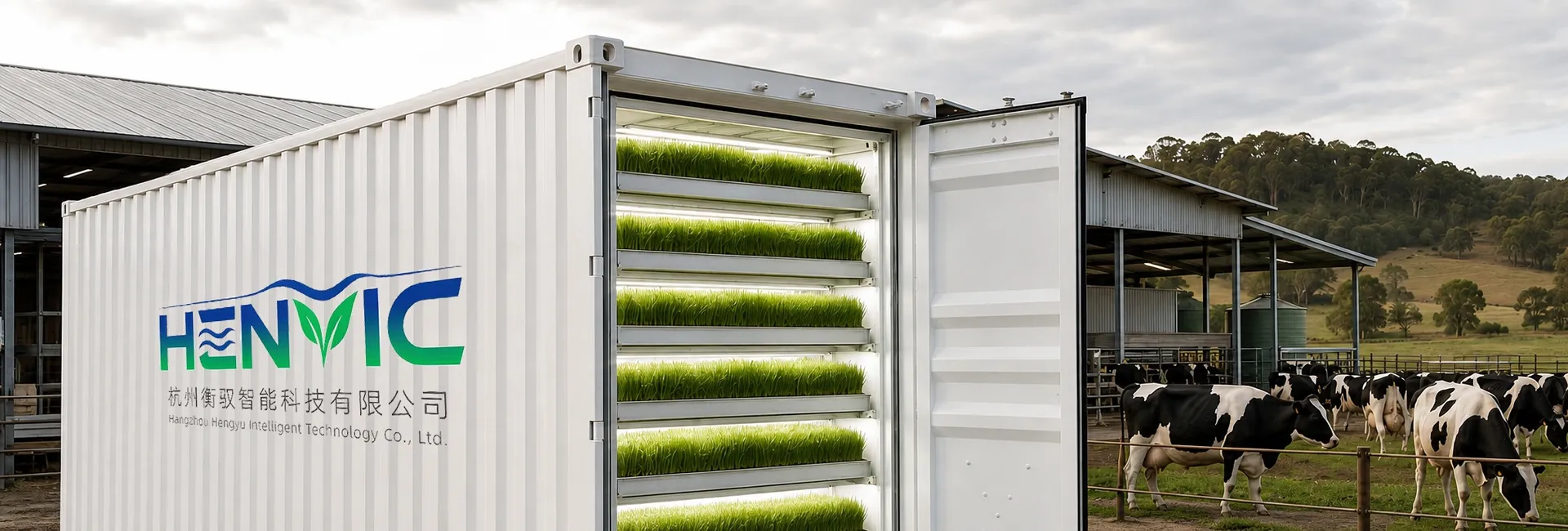
Plant cultivation container technology refers to the engineering and deployment of modular, enclosed systems—most commonly modified shipping containers, purpose-built cabinets, or custom-fabricated units—that create precisely controlled environments for growing plants. By integrating hydroponics, aeroponics, LED lighting, climate control, and automated nutrient delivery, these systems decouple agriculture from arable land, natural sunlight, and favorable climates. The result is a transformative approach to food production that can operate in deserts, urban centers, polar regions, or even aboard spacecraft.
This article provides a comprehensive technical overview of plant cultivation container systems, covering core principles, system architecture, environmental control engineering, substrate and nutrient management, automation and control systems, scalability, and emerging innovations.

1. Historical Evolution and Conceptual Foundation
1.1 From Greenhouses to Contained Systems
The lineage of container-based plant cultivation can be traced through several generations:
• First Generation (1980s–1990s): Simple retrofitted shipping containers equipped with basic shelving, fluorescent lighting, and manual irrigation. These systems offered minimal environmental control and were primarily experimental.
• Second Generation (2000s–2010s): Improved insulation, dedicated HVAC units, and automated drip irrigation. Vertical racking was introduced, increasing areal efficiency. Early commercial deployments in urban settings demonstrated viability.
• Third Generation (2015–present): Fully integrated IoT-based control systems, LED tunable spectra, closed-loop nutrient recycling, and AI-driven environmental optimization. Modern systems achieve near-total autonomy.
• Current Frontier (2025–): Digital twins, predictive analytics, multi-crop modular pods, and integration with renewable energy microgrids.
1.2 Why Containers?
The adoption of container-based platforms is driven by several fundamental advantages:
• Standardization: Shipping containers are engineered to precise ISO dimensions (20 ft: 6.1 m × 2.44 m × 2.59 m; 40 ft: 12.2 m × 2.44 m × 2.59 m), enabling modular stacking, easy transport, and predictable internal volumes for engineering.
• Structural Integrity: Steel-cornered construction provides a robust framework capable of supporting heavy racks, water tanks, and HVAC equipment without significant structural modification.
• Scalability: A farm can expand from one container to dozens through simple physical addition, with each unit operating as an independent or interconnected production cell.
• Rapid Deployment: A fully equipped cultivation container can be delivered, installed, powered, and operational within days, compared to months for greenhouse construction.
• Security: Enclosed systems are protected from pests, pathogens, extreme weather, and unauthorized access, reducing crop loss and liability.

2. Core System Architecture
A plant cultivation container is a complex mechatronic system comprising several integrated subsystems.
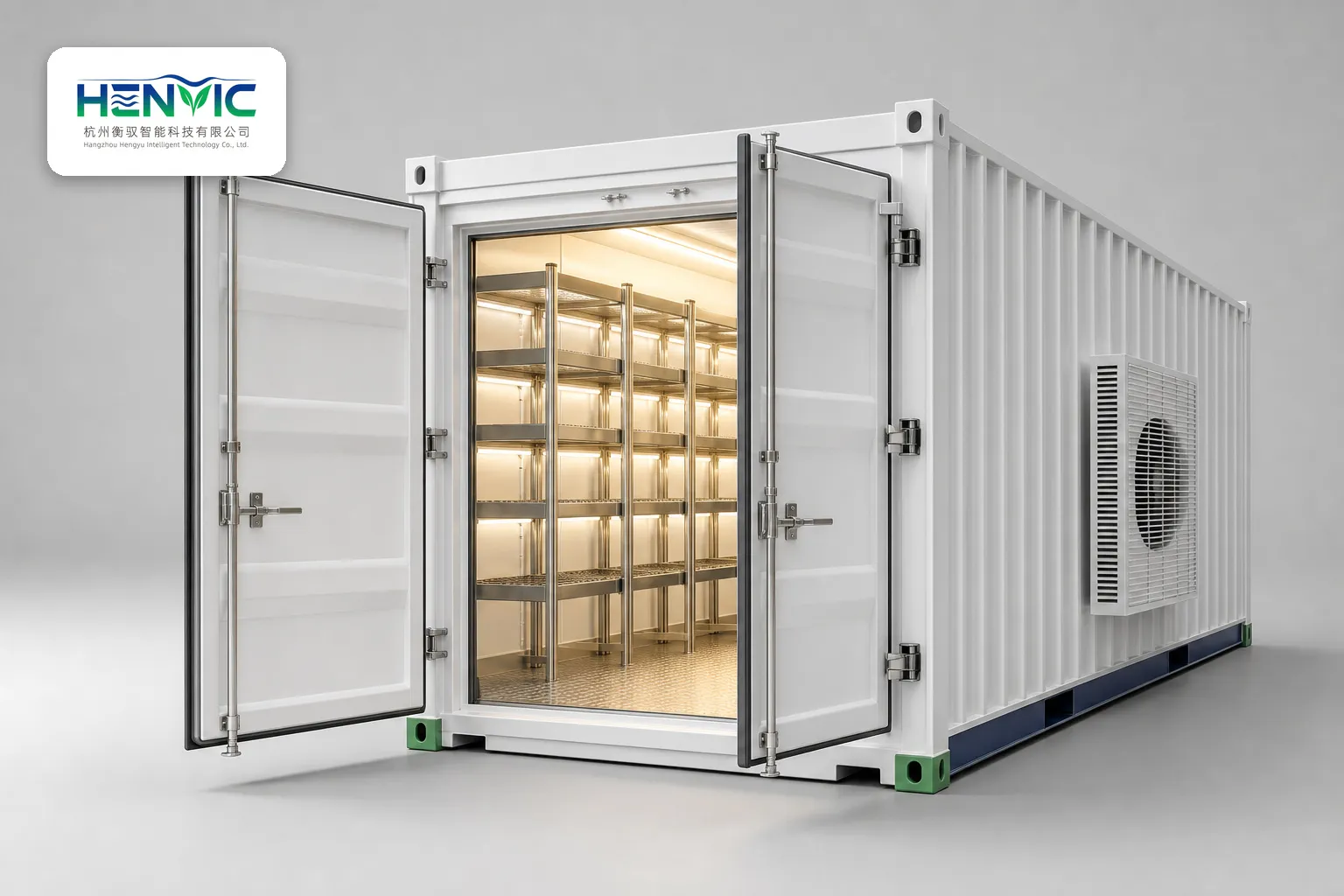
2.1 Structural Envelope
The container shell serves as the primary structural and thermal barrier.
• Material: Standard corrugated steel with interior thermal insulation panels (polyurethane foam, XPS, or aerogel-based panels) achieving R-values typically between 2.0 and 4.5 m²·K/W.
• Modifications: Factory-prefabricated units include cutouts for HVAC ducts, cable pass-throughs, and transparent acrylic or polycarbonate access doors and viewing windows.
• Seal Integrity: Advanced gasketing and positive-pressure ventilation maintain cleanliness and prevent ingress of contaminants.
2.2 Vertical Racking System
Most container cultivation systems employ vertically stacked growing tiers to maximize productivity per square meter.
• Tier Configuration: Typically 4 to 8 levels, each with a growing area of 1.2 × 0.6 m (for a 20 ft container), providing 30–50 m² of cultivation surface per container depending on tier count and aisle width.
• Lighting Distance: The vertical spacing between tiers (typically 30–60 cm) is designed to accommodate plant canopy height, light penetration, and air circulation.
• Load Capacity: Each tier must support the weight of substrate, plants, water, and equipment—often exceeding 50 kg/m². Industrial-grade aluminum extrusions or stainless steel frames are standard.
2.3 Climate Control Subsystem (HVAC)
The HVAC subsystem is the most energy-intensive component, responsible for maintaining the temperature, humidity, and air quality parameters required for optimal growth.
• Cooling: Refrigeration units or chilled-water systems remove metabolic heat from lighting, plant transpiration, and external heat gain. Cooling capacities range from 3 to 10 kW per 20 ft container depending on lighting load and insulation.
• Heating: Electric heaters, hot-water coils, or heat pumps maintain minimum temperatures. Rejected heat from cooling systems can be recovered for heating in temperate climates.
• Dehumidification: Desiccant wheels or refrigeration-based dehumidifiers remove excess moisture from transpiration, preventing fungal disease and condensation on leaves and structural surfaces.
• Air Circulation: Fans create gentle, laminar airflow across all tiers, preventing microclimate formation and ensuring uniform distribution of CO₂, humidity, and heat.
• CO₂ Enrichment: CO₂ injection systems maintain elevated levels (800–1500 ppm) to enhance photosynthetic rates. This is particularly effective in high-light, low-ventilation environments.
2.4 Lighting Subsystem
LED technology has made full-spectrum, tunable lighting feasible in container systems.
• Spectrum: Full-spectrum white LEDs (with color rendering index CRI > 90) combined with supplemental red (660 nm) and blue (450 nm) LEDs optimize photosynthesis. Some systems allow dynamic spectral adjustment to match plant developmental stages.
• Intensity: Typical illumination levels range from 150–300 µmol/m²/s PPFD for leafy greens to 400–800 µmol/m²/s for fruiting crops.
• Photoperiod: Programmable timers or dynamic control systems simulate natural day/night cycles, with the ability to extend photoperiods for rapid growth.
• Uniformity: Custom-designed LED arrays and reflective surfaces ensure light uniformity across tiers, with coefficients of variation typically below 10%.
• Efficiency: Modern LED fixtures achieve electrical efficiency of 2.5–3.5 µmol/J, with lifespans exceeding 50,000 hours.
2.5 Water and Nutrient Delivery System
This subsystem supports hydroponic or aeroponic cultivation.
• Reservoir: Food-grade HDPE or stainless steel tanks, typically 200–500 L capacity, store the nutrient solution.
• Pumping: Variable-speed diaphragm or centrifugal pumps deliver nutrient solution through distribution manifolds to each growing tier.
• Delivery Methods:
◦ Drip irrigation: Timed drip lines deliver nutrients to each plant individually.
◦ NFT (Nutrient Film Technique): A shallow stream of nutrient solution flows continuously over exposed roots in shallow channels.
◦ Mist/Aeroponic: High-pressure misting nozzles (50–100 psi) deliver nutrients to suspended roots, maximizing aeration.
◦ DFT (Deep Water Culture): Roots are submerged in aerated nutrient solution.
• Recirculation: Closed-loop systems capture and recirculate excess runoff, minimizing water waste and nutrient loss.
• Filtration: Mechanical filters (screen, sand, or disc) remove particulate matter; UV sterilization or ozone treatment controls pathogens in recirculating water.
2.6 Sensor Network
Real-time environmental monitoring is achieved through a distributed network of sensors.
• Temperature and Humidity: Capacitive RH sensors (±2% accuracy) and RTD or thermocouple temperature sensors (±0.1°C) are placed at multiple heights to monitor vertical gradients.
• CO₂: NDIR (Non-Dispersive Infrared) sensors monitor CO₂ concentration with ±50 ppm accuracy.
• Light: Quantum (PAR) sensors measure photosynthetically active radiation at canopy level.
• pH and EC/TDS: Inline probes monitor nutrient solution pH (typically 5.5–6.5) and electrical conductivity (1.0–2.5 mS/cm for most crops), triggering auto-dosing or nutrient adjustment.
• Water Level and Flow: Level sensors and flow meters track reservoir volume and delivery rates.
• Leaf Wetness: Optical or capacitive sensors detect surface moisture, aiding disease prediction.
2.7 Control System
The brain of the container is a programmable logic controller (PLC) or industrial microcontroller running cultivation algorithms.
• Core Functions:
◦ Continuous monitoring and automated adjustment of all environmental parameters
◦ Alarm management for out-of-range conditions
◦ Data logging and historical trend analysis
◦ Recipe management for different crop profiles
◦ Remote access via IoT connectivity (Wi-Fi, 4G/5G, Ethernet)
• User Interface: Touchscreen HMI (Human-Machine Interface) provides local control; cloud-based platforms enable remote monitoring, alerts, and analytics.
• AI Integration: Advanced systems incorporate machine-learning models trained on historical crop data to optimize parameters dynamically, predict yields, and detect anomalies before they impact production.

3. Environmental Engineering Principles
3.1 Energy Balance
The energy balance of a cultivation container is dominated by three heat sources:
1. Lighting heat: LED efficacy of 2.5–3.5 µmol/J means that for every watt of light, roughly 0.7–0.8 W is converted to heat. A 400 W LED array generates approximately 300 W of thermal load.
2. Plant metabolic heat: Transpiration releases latent heat (~2.45 MJ/kg of water transpired), which must be removed by dehumidification.
3. External heat gain: Solar radiation and ambient temperature drive heat ingress through walls, roof, and glazing. Insulated containers minimize this to 50–150 W under full sunlight.
3.2 Humidity and VPD Management
Vapor Pressure Deficit (VPD) is a critical parameter linking temperature and humidity to plant physiology.
• Optimal VPD: Most leafy crops thrive at VPD of 0.8–1.2 kPa (temperature 20–24°C, RH 60–75%).
• Low VPD (<0.6 kPa): Reduces transpiration, limits nutrient uptake, and promotes fungal disease.
• High VPD (>1.5 kPa): Causes stomata closure, heat stress, and wilting.
Container systems actively manage VPD by modulating temperature, humidity, and airflow.
3.3 Airflow Design
Effective airflow ensures:
• Uniform distribution of CO₂ and O₂ across all plant canopies
• Prevention of stagnant, humid microclimates that favor pathogens
• Uniform temperature and humidity throughout the vertical stack
• Efficient pollination for fruiting crops (via fans or automatic pollinators)
CFD (Computational Fluid Dynamics) modeling is often used during design to optimize duct placement and fan configuration.

4. Substrate and Nutrient Management
4.1 Growing Substrates
Even in hydroponic systems, a substrate provides mechanical support and root anchorage.
• Rockwool (Granite wool): High water retention, excellent capillary action, but non-biodegradable and requires pH adjustment.
• Perlite/Vermiculite: Lightweight, inert, and porous. Often mixed with peat or coconut coir.
• Coconut Coir: Renewable, biodegradable, with excellent water-holding capacity. Requires buffering to manage cation exchange capacity.
• Oasis Cubes / Foam: Ideal for propagation and seedling establishment.
• Fabric Pots / Air Pruning Containers: Roots are air-pruned at the fabric boundary, promoting dense, fibrous root systems.
4.2 Nutrient Formulations
Hydroponic nutrient solutions are formulated to provide all essential macro- and micronutrients.
• Macronutrients: Nitrogen (N), Phosphorus (P), Potassium (K), Calcium (Ca), Magnesium (Mg), Sulfur (S).
• Micronutrients: Iron (Fe), Manganese (Mn), Zinc (Zn), Copper (Cu), Boron (B), Molybdenum (Mo), Chlorine (Cl).
• pH Buffering: Phosphate or citrate buffers maintain pH stability; automated acid/base dosing handles drift.
• EC/TDS Targets: Leafy greens: 1.2–1.8 mS/cm; fruiting crops: 2.0–2.8 mS/cm.
4.3 Water Quality and Filtration
Water sources must be free of pathogens and contaminants.
• RO (Reverse Osmosis): Removes dissolved solids, chlorine, and pathogens, producing pure water for nutrient solution preparation.
• UV Treatment: Sterilizes recirculating water, preventing root disease in closed-loop systems.
• Ozone: Powerful oxidizer for disinfection and organic breakdown, used in some advanced systems.

5. Crop Selection and Cultivation Protocols
5.1 Ideal Crops for Container Systems
The most suitable crops for container cultivation have:
• Short life cycles (30–70 days)
• Compact, upright growth habit
• High value per unit area
• Tolerance to controlled environments
Leafy Greens: Lettuce, spinach, kale, arugula, chard, microgreens, baby leaves.
Herbs: Basil, cilantro, mint, parsley, dill, chives.
Fruiting Crops: Strawberries, cherry tomatoes, peppers, cucumbers (dwarf varieties).
Specialty Crops: Wasabi, edible flowers, medicinal herbs.
5.2 Cultivation Recipes
Each crop has a standardized "recipe" that specifies:
• Temperature (day/night)
• Humidity range
• Light intensity and photoperiod
• CO₂ concentration
• Nutrient EC/pH targets
• Watering frequency and duration
These recipes are stored in the control system and can be adjusted seasonally or based on performance data.
5.3 Harvesting and Replanting Cycles
In a well-designed container system, one container can produce 5–8 crop cycles per year for leafy greens, with turnaround time of 7–14 days between harvest and replanting. This includes:
• Removal of spent plants and substrate
• Cleansing and disinfection of growing surfaces
• Reinstallation of new seedlings
• Recovery of the environmental parameters to the target recipe

6. Automation and Control Integration
6.1 Closed-Loop Control
Modern container systems use PID (Proportional-Integral-Derivative) or model predictive control (MPC) for continuous parameter adjustment.
• Temperature control: The controller modulates cooling/heating output based on the difference between measured and setpoint temperatures, with anticipation of lighting schedule changes.
• Humidity control: Dehumidification is activated when RH exceeds the upper threshold; humidification activates when RH falls below the lower threshold.
• CO₂ control: Injection valves open when CO₂ falls below the setpoint; ventilation increases when CO₂ exceeds the upper threshold.
6.2 Automated Irrigation and Nutrient Dosing
• EC-triggered dosing: The system measures solution EC and automatically adds concentrated nutrients to maintain the target.
• pH-triggered adjustment: Acid or base solutions are injected to correct pH drift.
• Time-based irrigation: Pumps operate on programmed schedules, with duration and frequency adjusted based on plant growth stage and environmental conditions.
6.3 Remote Monitoring and Cloud Integration
• Real-time dashboards: Web-based platforms display live sensor readings, system status, and alarms.
• Data export: Historical data can be exported for compliance, research, or process optimization.
• Mobile alerts: SMS, push notifications, or email alerts notify operators of critical issues.
• API integration: Modern systems offer REST APIs for integration with farm management software, ERP systems, or third-party analytics platforms.

7. Scalability and Deployment Models
7.1 Single-Unit to Farm-Scale
A single 20 ft container can produce approximately 1,500–2,500 kg of leafy greens per year, depending on crop and efficiency.
Scalability is achieved through:
• Horizontal expansion: Placing additional containers side by side or in arrays.
• Vertical stacking: Some designs allow containers to be stacked (with structural reinforcement), though most use internal vertical racking within a single container.
• Modular farms: Multi-container farms can include separate units for propagation, cultivation, harvesting, packaging, and cold storage, interconnected via a central control hub.
7.2 Site Considerations
• Power supply: Typical container draws 3–10 kW continuous. Off-grid deployments require solar + battery storage or generator backup.
• Water supply: RO-treated water is recommended; a 20 ft container uses 500–2,000 L per day depending on crop density and humidity management.
• Drainage: Condensate and nutrient runoff require proper drainage; closed-loop systems minimize waste.
• Site preparation: Concrete pad, leveling, and utility hookup are minimal compared to greenhouse construction.
7.3 Container Farms vs. Greenhouses
Parameter
Container Farm
Greenhouse
Deployment time
Days
Months
Land use
Minimal footprint (stackable)
Large footprint
Climate independence
Full
Partial
Year-round operation
Guaranteed
Climate-dependent
Initial cost
Lower
Higher
Operating cost
Higher (electricity)
Lower (sunlight)
Crop versatility
Leafy greens, herbs, small fruits
Wide range
Water efficiency
Very high (closed-loop)
Moderate

8. Challenges and Technical Limitations
8.1 Energy Consumption
The primary operational cost is electricity, driven by lighting (especially for fruiting crops requiring high PPFD), climate control, and water pumping. Energy efficiency is an ongoing focus of R&D, with advances in LED efficacy, heat recovery, and renewable integration.
8.2 Heat Removal
High-intensity lighting generates significant heat that must be removed without causing temperature gradients or excessive air movement. Advanced designs use water-cooled lighting, heat exchangers, or integration with district heating systems.
8.3 Pollination
Fruiting crops in closed containers lack natural pollinators. Mechanical vibrators, airflow-based pollination, or introduced pollinators (in semi-open systems) are required.
8.4 Crop Limitations
Tall, sprawling, or deep-rooted crops are poorly suited to container systems. Genetic selection for dwarf, compact varieties is ongoing.
8.5 Economic Viability
Container farms are capital-intensive relative to open-field agriculture, and profitability depends on high-value crops, premium market access, and efficient operations. As technology matures and costs decline, the economic case continues to strengthen.

9. Emerging Innovations and Future Directions
9.1 AI and Digital Twins
Digital twin technology creates a real-time virtual replica of the physical container, enabling simulation of environmental changes, predictive maintenance, and remote optimization. AI models trained on multi-year datasets can identify subtle correlations between parameters and yield, continuously refining cultivation recipes.
9.2 Multi-Crop and Rotational Systems
Advanced containers are being designed to grow different crops in separate zones within the same unit, or to rotate crops seasonally within a single container. This increases throughput and diversifies risk.
9.3 Renewable Energy Integration
Solar roofs, small wind turbines, and battery storage systems are increasingly integrated to reduce grid dependence. Hybrid systems can sell excess power back to the grid or use it for local needs.
9.4 Hydroponic Automation Advances
• Automated seedling transplanting: Robotic arms transfer seedlings from propagation to growing tiers.
• AI-driven disease detection: Cameras and multispectral imaging identify early signs of stress or disease, triggering targeted treatments.
• Robotic harvesting: For crops like lettuce and microgreens, automated harvesting systems are under development.
9.5 Space and Extreme Environment Applications
NASA, ESA, and private aerospace companies are testing container-based cultivation for long-duration space missions, where every square meter and every liter of water is critical. Advances in this domain are spilling over into terrestrial applications.
9.6 Water and Nutrient Recycling
Advanced closed-loop systems can achieve water use efficiency of >95% (compared to 60–70% in greenhouses and 40–50% in open fields). Nutrient recycling through anaerobic digestion of crop waste or integration with aquaculture (aquaponics) further enhances sustainability.
9.7 Standardization and Interoperability
The emerging industry is moving toward standardized sensor interfaces, control protocols, and crop recipes, enabling modular upgrades and multi-vendor integration.

10. Conclusion
Plant cultivation container technology represents one of the most significant innovations in modern agriculture. By transforming the humble shipping container into a sophisticated, climate-controlled, automated growing environment, it offers a viable path toward localized, sustainable, and climate-resilient food production.
The technology is not without challenges—energy consumption, economic viability, and crop limitations remain important considerations. However, the trajectory is unmistakable: as LED efficiencies improve, AI-driven optimization becomes standard, and renewable energy costs continue to fall, container-based farming is poised to become a mainstream component of the global food system, operating at the intersection of precision agriculture, biotechnology, and the circular economy.
For engineers, agronomists, entrepreneurs, and policymakers alike, understanding the technical architecture and operational principles of plant cultivation containers is essential to harnessing their full potential in the decades ahead.