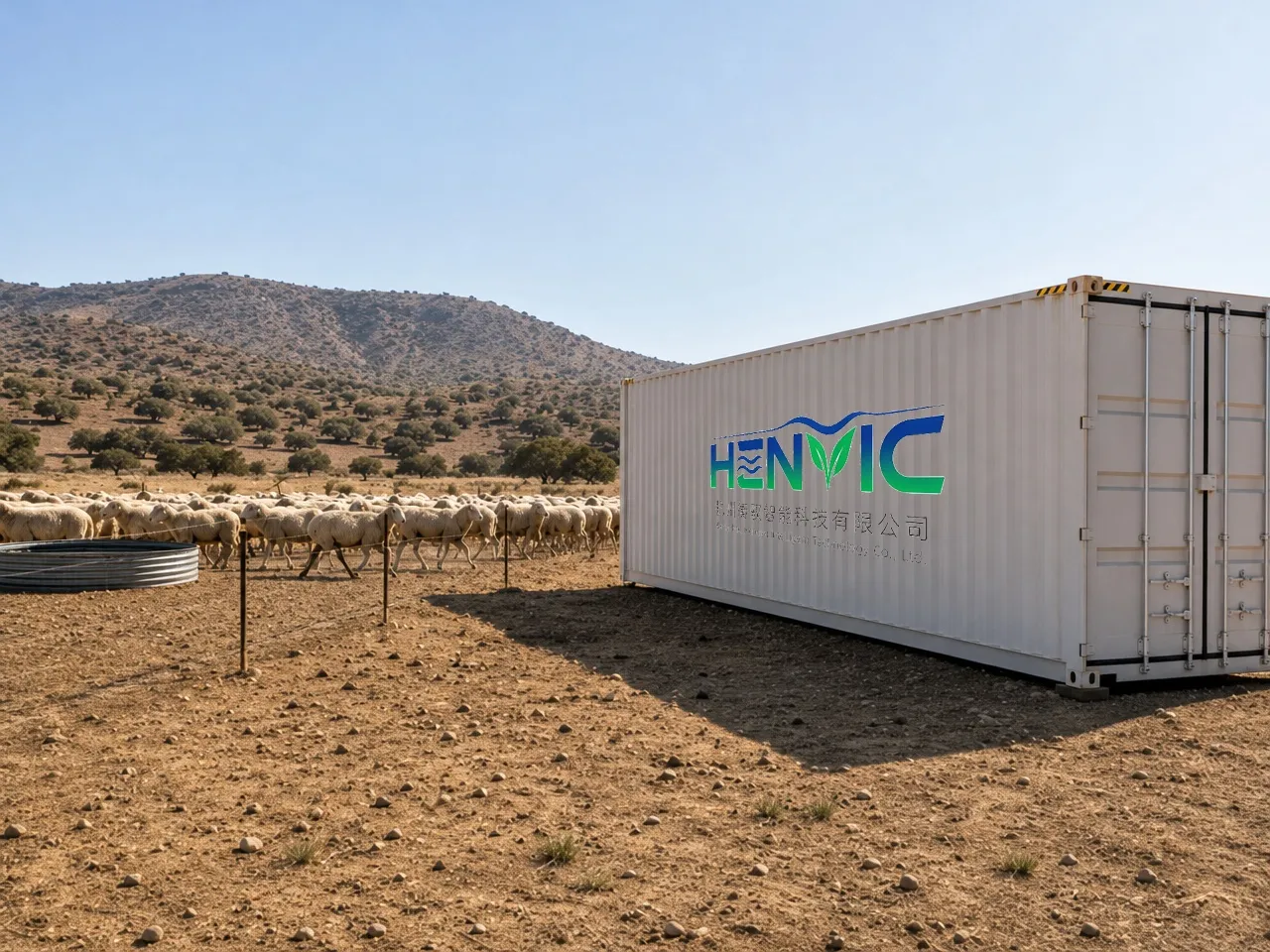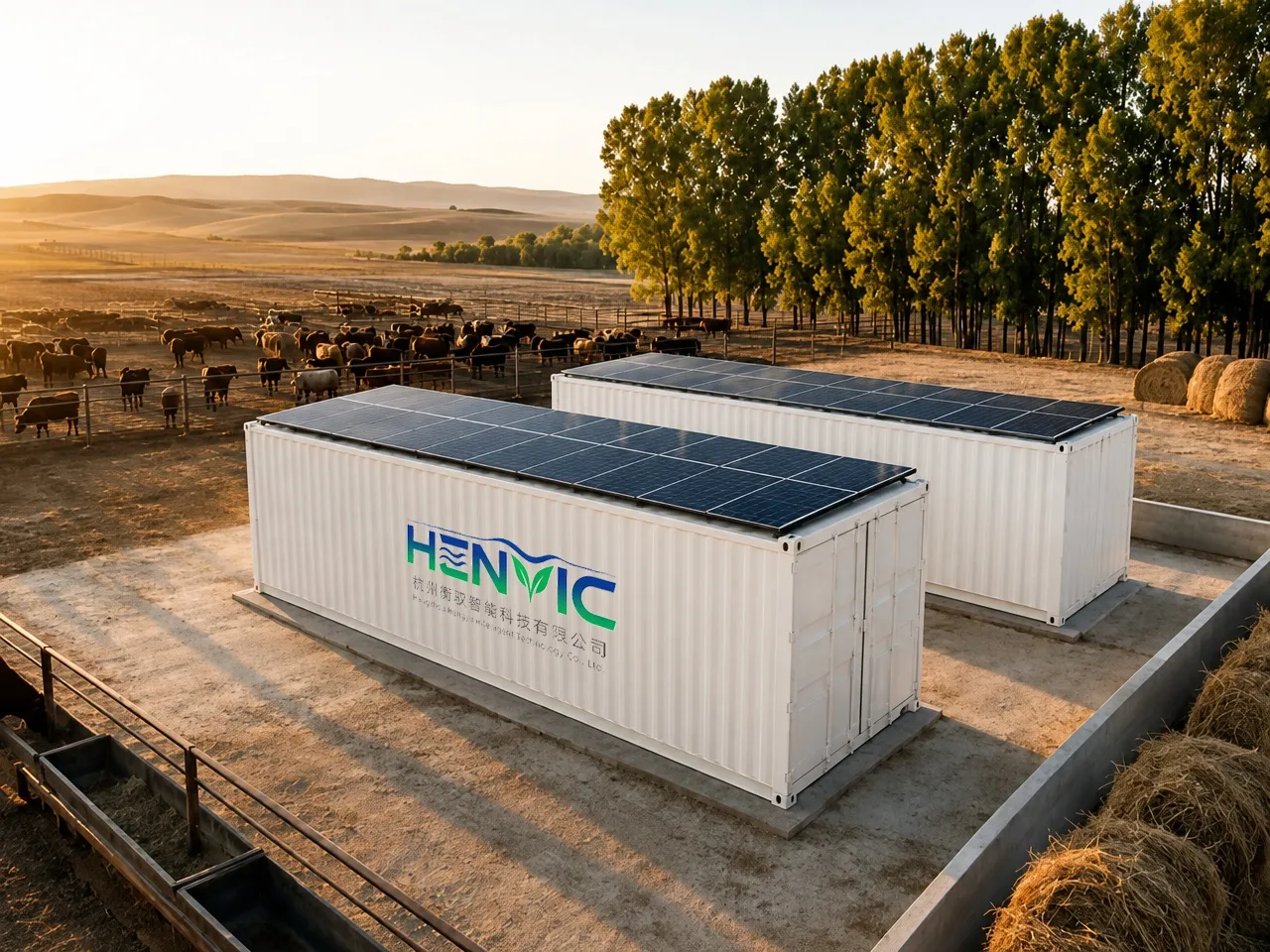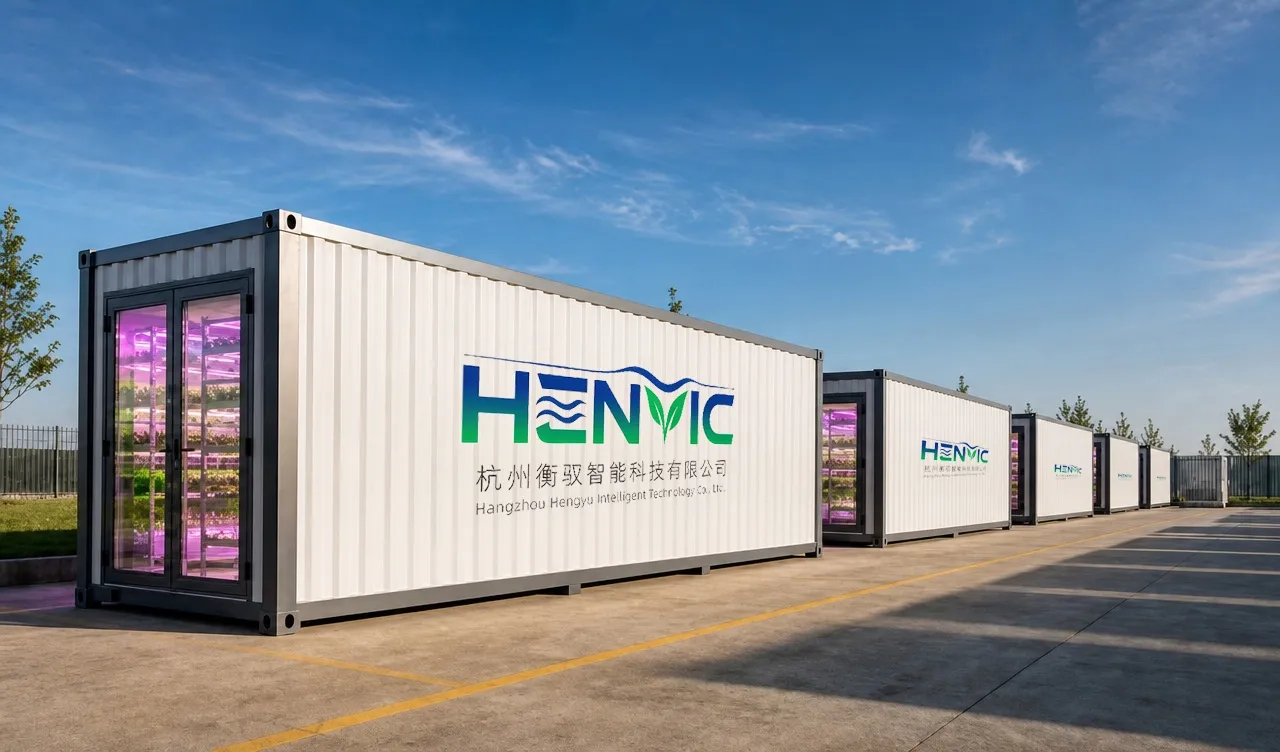
A shipping container is a plain thing. Thirty square meters of corrugated steel, built to carry cargo across oceans, then retired to a yard where it sits and rusts. Nothing about it suggests soil, seasons, or harvest.
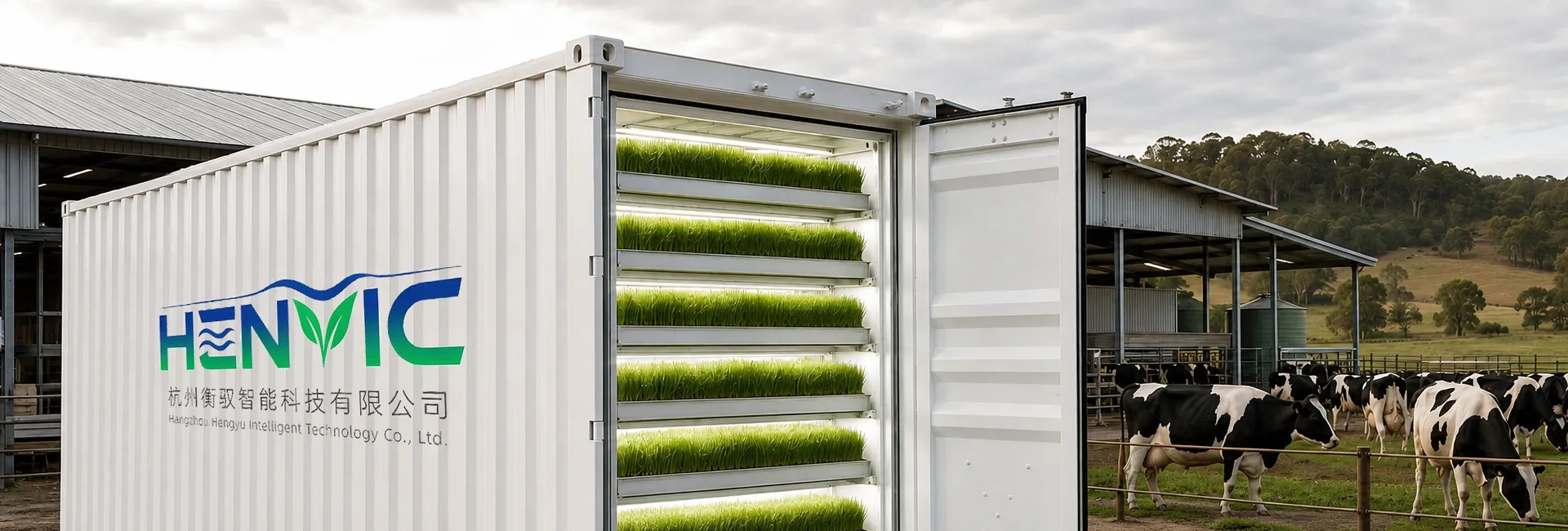
But stand inside one that has been rebuilt, and the argument changes. Racks climb from floor to ceiling in tiered rows. LED panels replace the sun. A nutrient film moves through the channels on a timer, and the air holds a temperature that never argues with the calendar. Lettuce, herbs, microgreens, strawberries — whatever the crop, it grows here in weeks, not months, indifferent to the weather outside.
That is the whole idea. A farm no longer has to be hundred of acres in a place with the right rainfall. It can be a steel box parked behind a supermarket, on a rooftop in a dense city, at a school, in a desert camp, on a ship. Wherever there are people who need to eat, there is room for one box.
The economics follow the same logic. Because the environment is controlled, water use drops dramatically compared with open-field farming, and pesticides become largely unnecessary. Because the box sits near the consumer, the journey from harvest to plate shrinks from days to minutes. Because the unit is standardized, it can be stacked, replicated, and shipped as a kit — one box that works becomes a hundred boxes that work, with no new learning curve.
None of this makes the container a replacement for farms that work with land and weather. What it does is widen who gets to farm, and where. It gives a family in a food desert a source of fresh greens twelve months a year. It gives a city a way to grow food on ground it was already wasting. It gives a grower a business that starts small and scales without buying a single new acre.
A box of land. That is what the steel frame really is once the shipping label comes off — a small, movable, patient piece of ground, waiting for someone to plant in it.