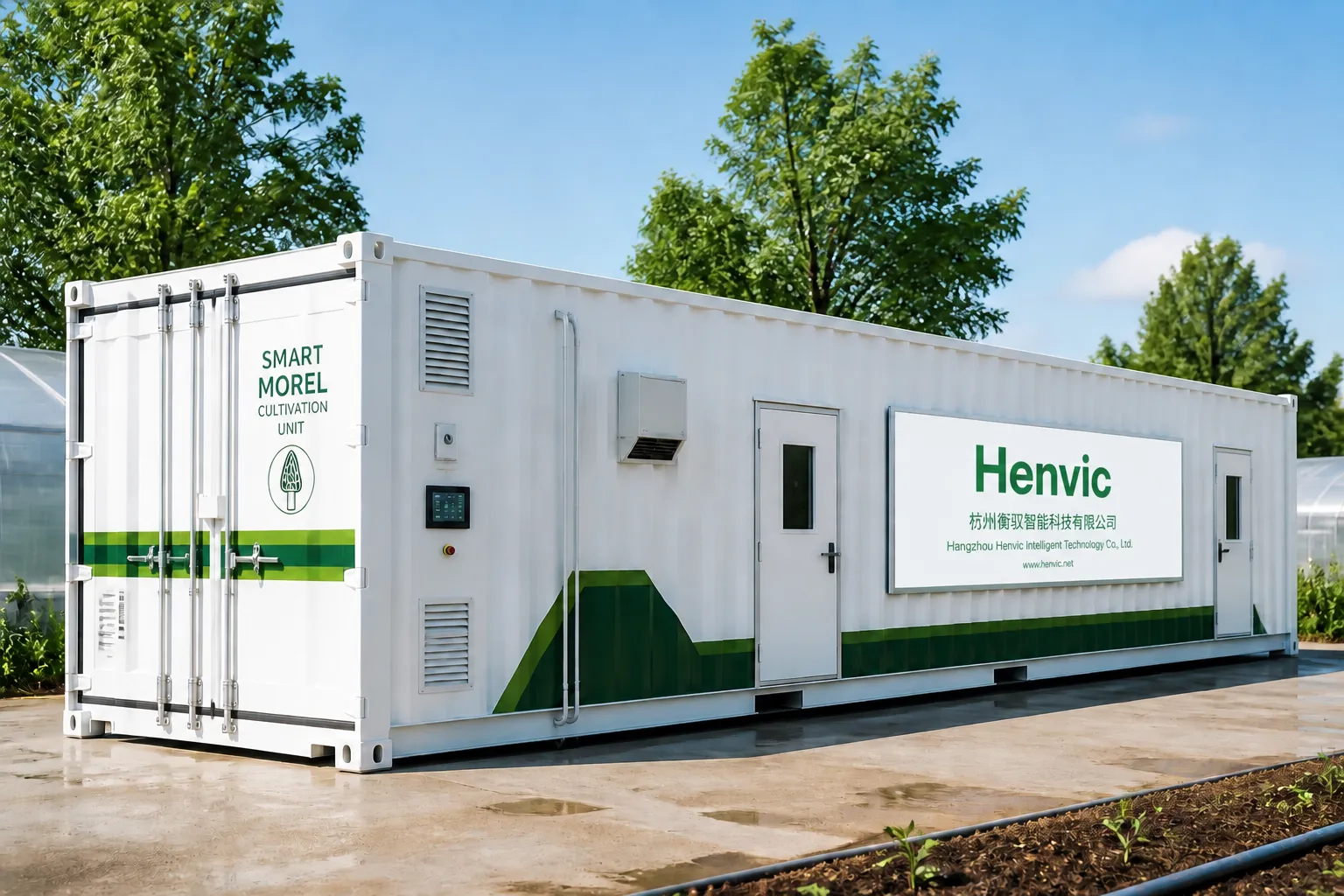
Large Vegetable Growing Container
I. Overview
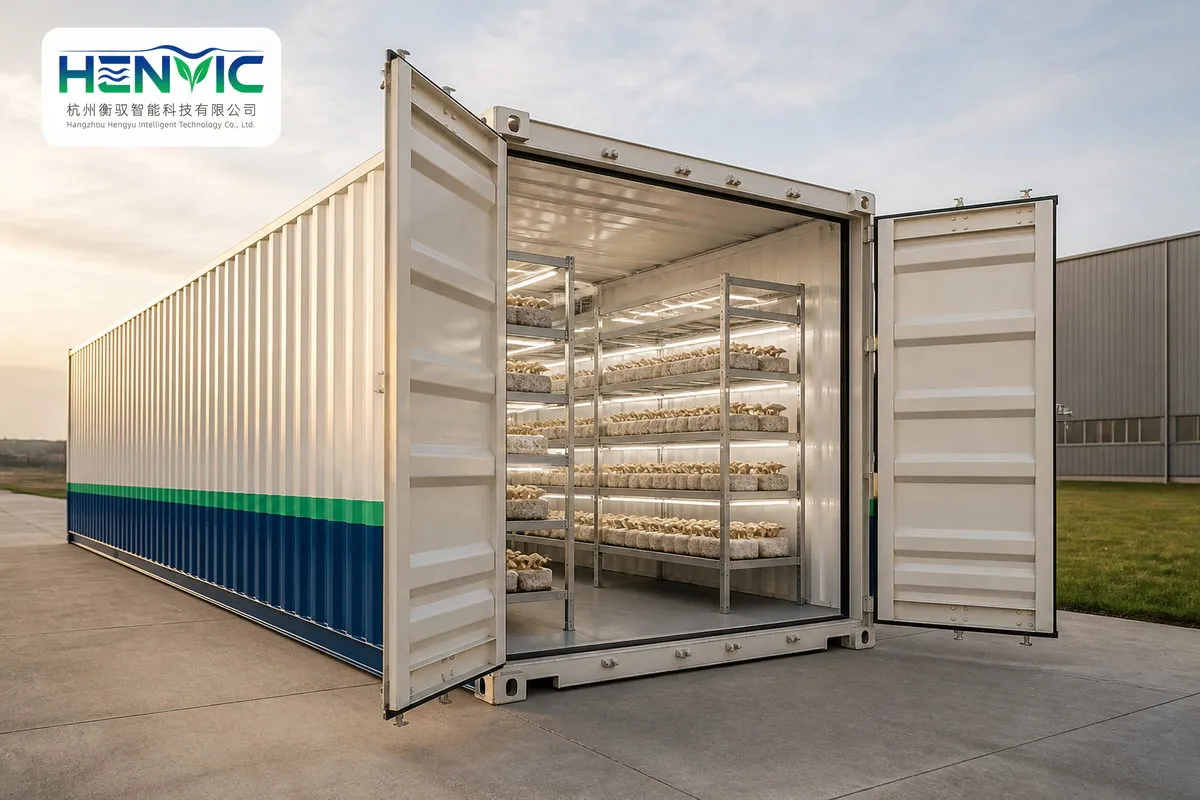
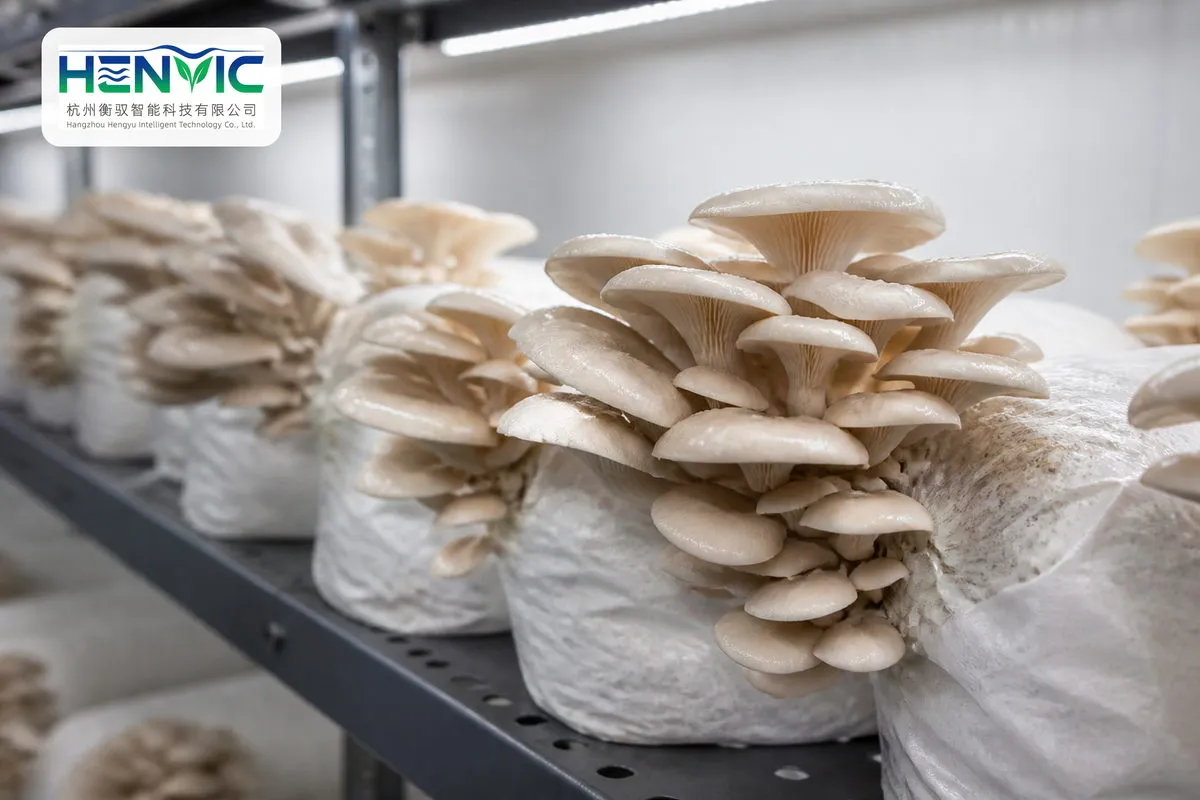
The vegetable growing container (container farm) converts a standard shipping container into a fully enclosed, intelligent plant factory. By combining hydroponic/aeroponic cultivation, LED artificial lighting and automatic environmental control, it enables year-round, 365-day uninterrupted vegetable production free from climate, seasonal and geographical constraints.
Core Advantages
| Indicator | Conventional Agriculture | Container Farming |
|---|---|---|
| Water Consumption | 100% | Only 5%–10% (recirculated) |
| Growth Cycle | 45–60 days | 28–35 days (40% shorter) |
| Annual Yield | 1–2 crops | 10–15 crops |
| Land Footprint | Large | Only 30㎡ (40 ft container) |
| Pesticide Use | Common | Zero pesticides |
| Transport Cost | Long distance from production area to the table | Can be deployed close to urban consumers |
II. Five Cultivation Solutions in Detail
Solution 1: Leafy Vegetable Hydroponic Container

| Item | Details |
|---|---|
| Suitable Varieties | Lettuce, butterhead lettuce, spinach, kale, arugula, bok choy |
| Cultivation Method | NFT (Nutrient Film Technique) / DFT (Deep Flow Technique) |
| Lighting System | Red-blue spectrum LED grow lights, photoperiod 14–16 hours/day |
| Production Scale | A 40 ft container accommodates 6–8 tiers of vertical growing racks, approx. 3,000–5,000 plants |
| Growth Cycle | 28–35 days from sowing to harvest |
| Daily Output | Approx. 100–150 marketable leafy vegetable heads |
| Environmental Control | Temperature 18–25℃, humidity 60–75%, CO₂ concentration 800–1200 ppm |
| Control Method | IoT remote monitoring with real-time viewing and adjustment via mobile app |
| Application Scenarios | Urban fresh produce supply chains, direct supply to restaurant kitchens, community group-buy supply |
Features:
- Fully automatic nutrient solution recirculation system, saving up to 95% water;
- Modular growing rack design allows flexible addition or removal of cultivation tiers;
- Clean production environment — ready to eat without washing;
- No more than 24 hours from harvest to table, for maximum freshness.
Solution 2: Fruit Vegetable Vertical Farming Container

| Item | Details |
|---|---|
| Suitable Varieties | Cherry tomato, bell pepper, chili pepper, cucumber, strawberry, eggplant |
| Cultivation Method | Coir substrate culture / aeroponic vertical column system |
| Lighting System | Full-spectrum white LED plus red-blue supplementary lighting, photoperiod 12–16 hours/day |
| Production Scale | A 40 ft container accommodates 200–400 fruit vegetable plants |
| Growth Cycle | 45–60 days from transplanting to first harvest, with continuous harvesting for 6–8 months |
| Daily Output | 15–30 kg per day at peak production |
| Environmental Control | Temperature 20–28℃ (day/night differential 5–8℃), humidity 60–80% |
| Special Configuration | Automatic drip irrigation plus return-flow collection, vine trellising system, bumblebee pollination box |
Features:
- Vertical columns maximize space utilization, delivering 5–8 times the yield per square metre of a conventional greenhouse;
- Precise water and nutrient formulation for consistent fruit sugar content and flavour;
- Extremely low incidence of pests and diseases — no chemical pesticides required;
- Off-season high-value varieties can be grown for outstanding economic returns.
Solution 3: Sprout / Microgreen Growing Container

| Item | Details |
|---|---|
| Suitable Varieties | Purple radish sprouts, pea shoots, red amaranth sprouts, sunflower sprouts, broccoli sprouts, wheatgrass |
| Cultivation Method | Shallow tray substrate culture / substrate-free hydroponics |
| Lighting System | Low-power warm white LED strips, independently lit on each tier |
| Production Scale | A 40 ft container can be fitted with 5–7 shelf tiers, cultivating 2,000–3,000 trays simultaneously |
| Growth Cycle | Only 5–12 days from sowing to harvest |
| Daily Output | Approx. 200–300 trays of finished sprouts |
| Environmental Control | Temperature 18–22℃, humidity 70–85%, gentle ventilation |
| Irrigation Method | Automatic intermittent misting system keeping the growing medium moist |
Features:
- Extremely short growth cycle for the highest turnover efficiency;
- Exceptional nutrient density (4–40 times the nutrition of mature vegetables by equal weight);
- Rich colours and excellent presentation, ideal for premium plating and health foods;
- Low production cost — no nutrient solution required, pure water cultivation is sufficient;
- Rapidly growing market demand with attractive profit margins.
Solution 4: Herb Growing Container

| Item | Details |
|---|---|
| Suitable Varieties | Basil, mint, coriander, rosemary, thyme, dill, perilla, oregano |
| Cultivation Method | Ebb-and-flow hydroponics / independent modular growing channels |
| Lighting System | Warm white plus red-blue spectrum LED, simulating Mediterranean light conditions |
| Production Scale | A 40 ft container grows 1,500–2,500 herb plants |
| Growth Cycle | First harvest 21–35 days after transplanting, with continuous harvesting for 3–6 months |
| Daily Output | Approx. 5–10 kg of fresh herbs |
| Environmental Control | Temperature 20–26℃, humidity 55–70%, moderate ventilation |
| Special Configuration | Independent nutrient solution channels per variety, essential oil aroma recovery system |
Features:
- Zoned variety management with independent nutrient formulations for different herbs;
- Simulates the microclimate of the region of origin, delivering a stronger aroma than imported dried products;
- Live plants supplied with roots intact, with a shelf life of 7–14 days;
- An essential category for Western, Japanese and bakery premium foodservice;
- High value per unit weight, with logistics accounting for a low share of cost.
Solution 5: Container Exterior and System Integration

| Item | Details |
|---|---|
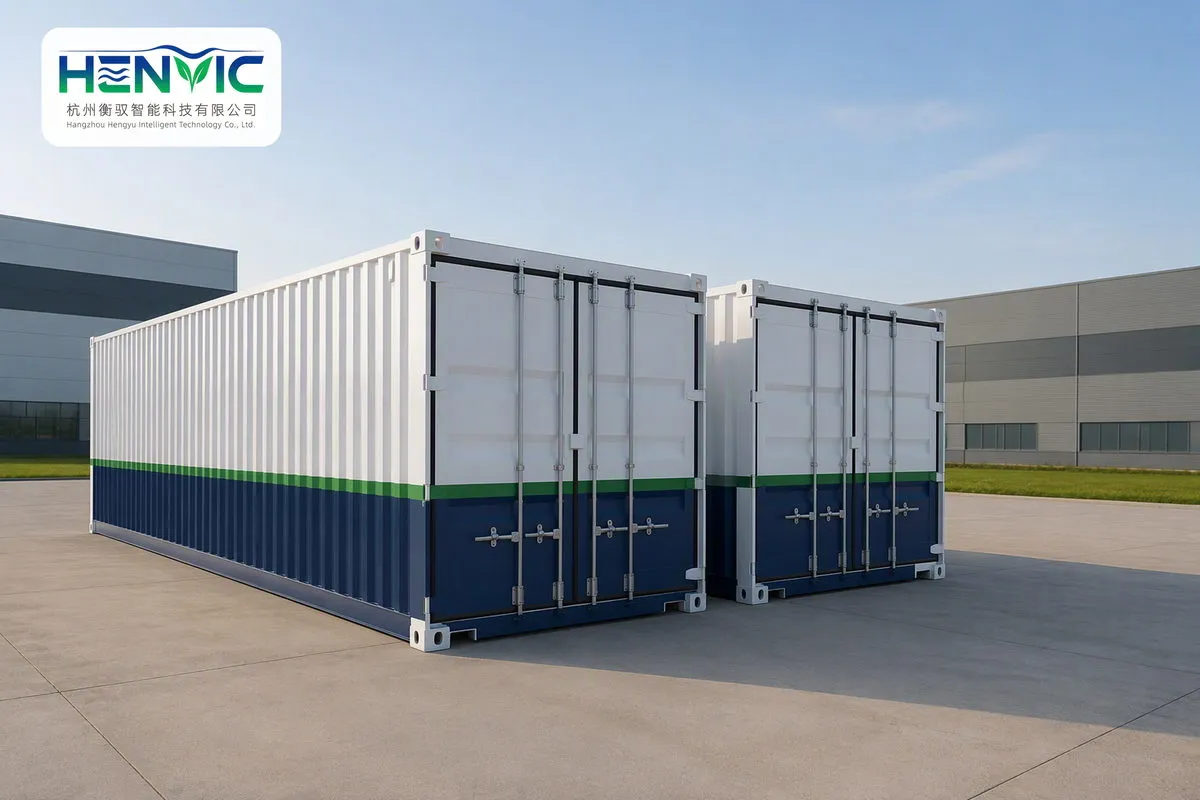
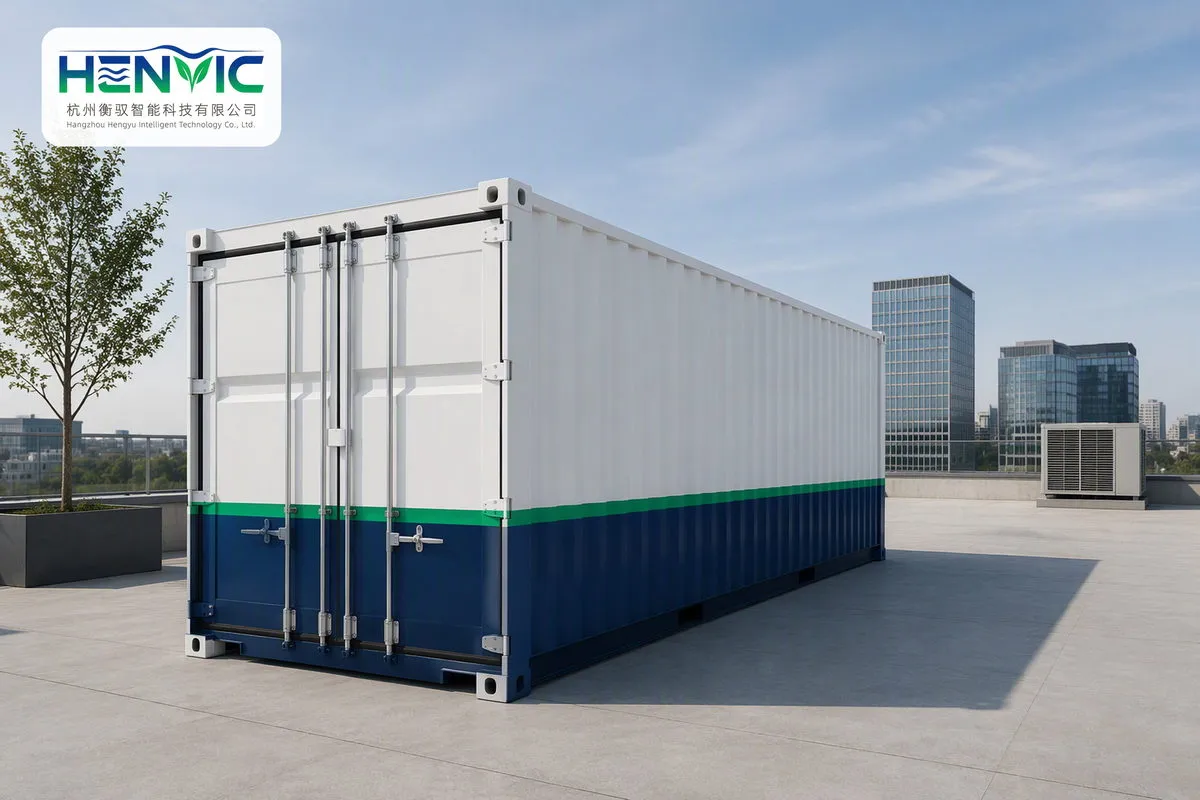
| Container Specification | 40 ft high cube (12.2m × 2.44m × 2.9m); 20 ft optional |
| Thermal Insulation | 100mm polyurethane sandwich panel, thermal conductivity ≤ 0.022 W/(m·K) |
| Energy System | Mains power + rooftop PV (optional 5–10kW) + energy storage battery (optional) |
| Total Power | 8–15 kW (depending on the cultivation solution), with PV covering 30–60% of electricity demand |
| Water System | Mains water connection + three-stage filtration + UV sterilization + recirculation and reuse |
| Smart Control | PLC/IoT main controller, remote monitoring via mobile phone/PC, automatic alarm on anomalies |
| Safety Protection | Fire alarm, residual current protection, emergency ventilation, UPS uninterruptible power supply |
| Transport and Installation | Standard container dimensions, transportable by truck/train/ship, ready to operate on arrival |