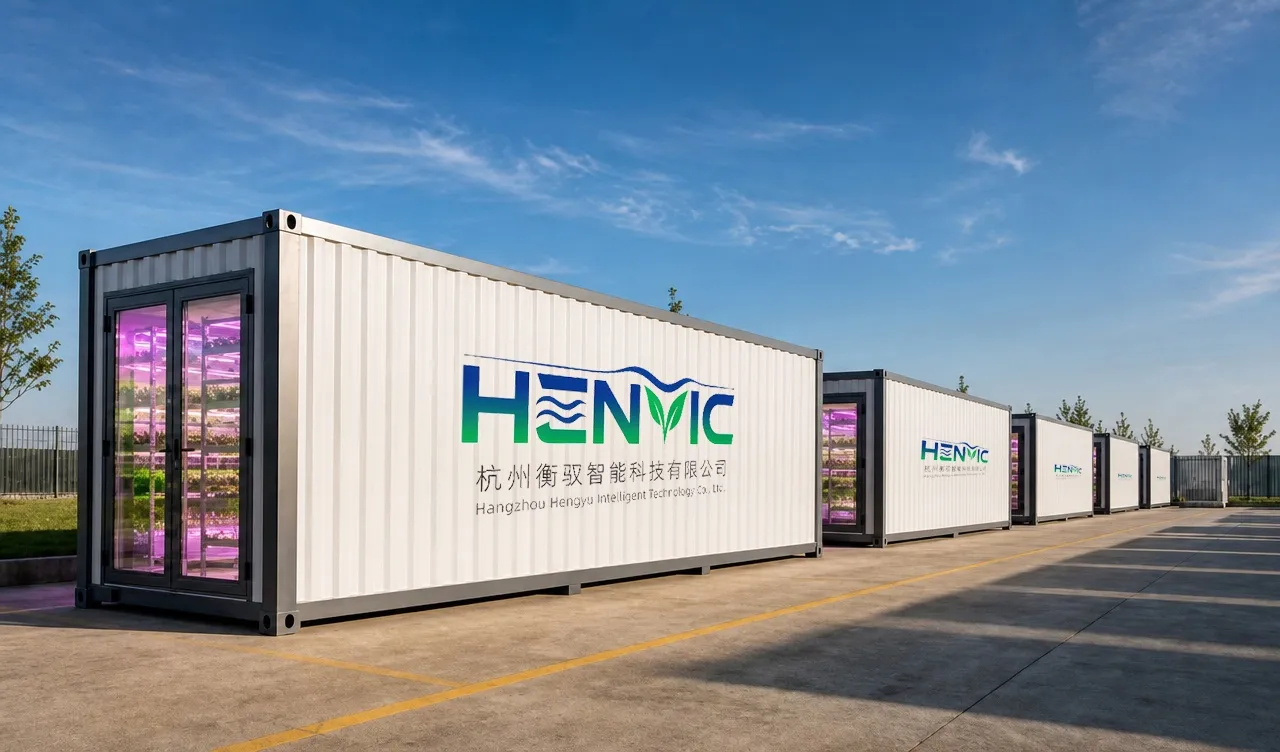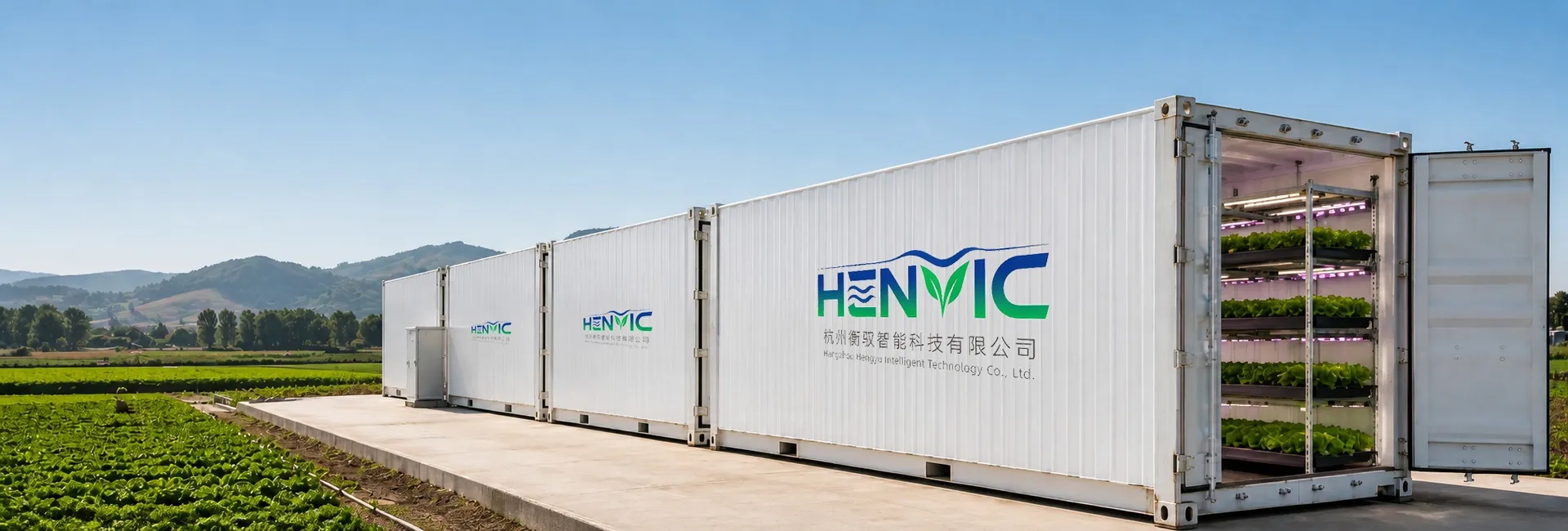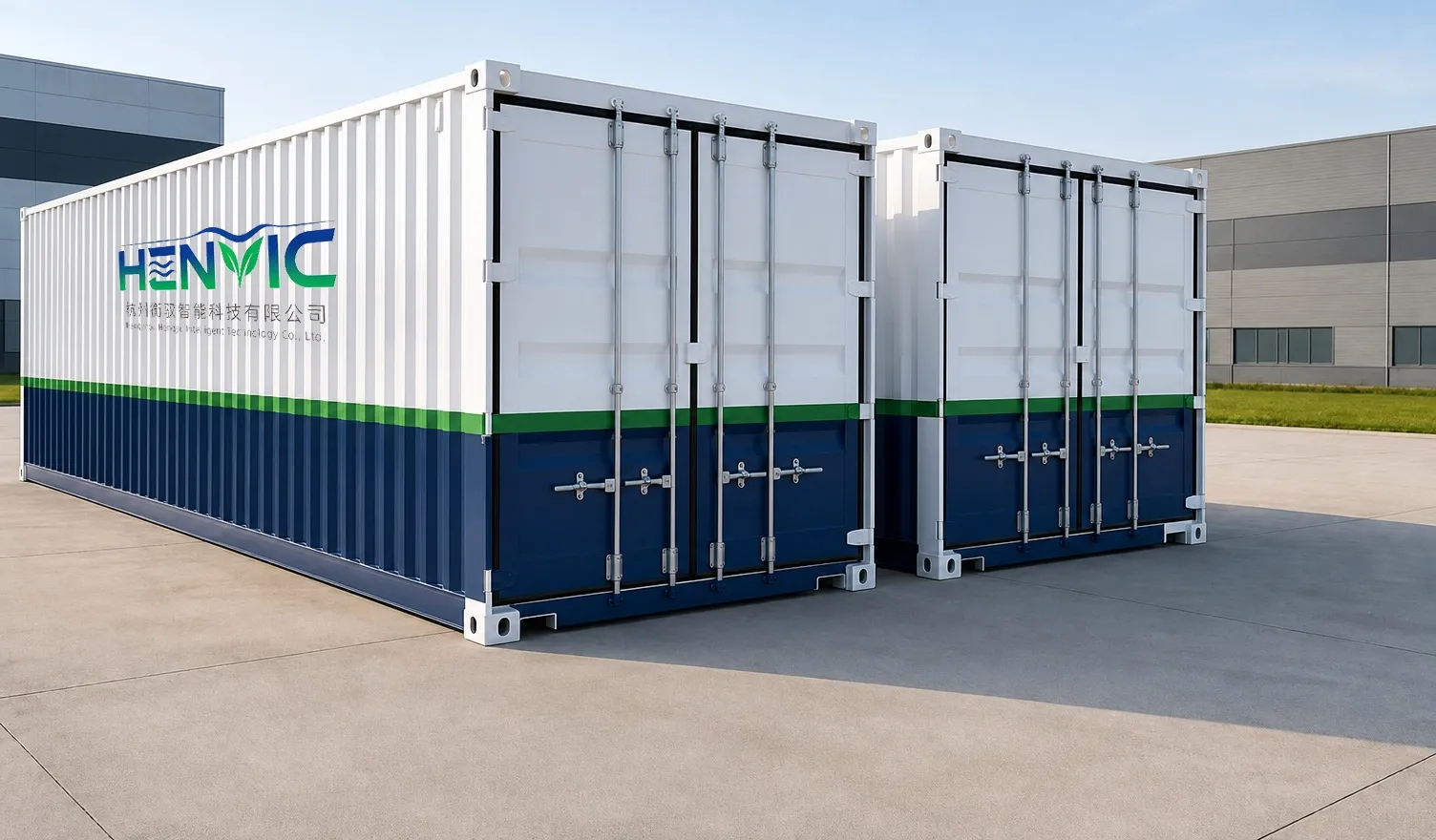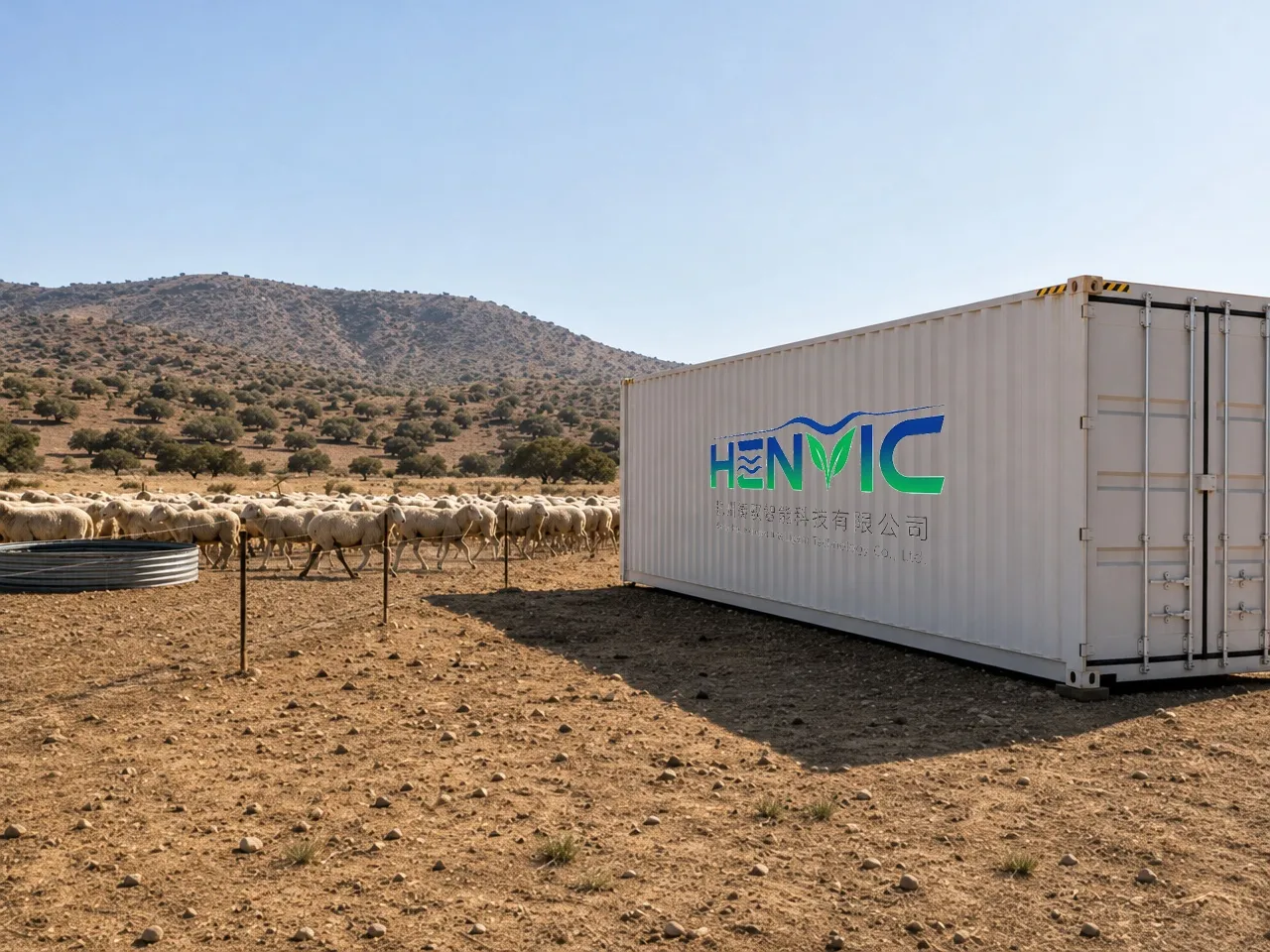
40 ft Mushroom Container Golden Ear Mushroom Programme
PRODUCT OVERVIEW
This unit is configured for Supermarket and Fresh Retail. Golden Ear Mushroom is a Rare species grown by Bag cultivation, with 12 cycles a year; daily work centres on climate rounds, bag condition checks and harvest grading.
Filtered fresh air enters under positive pressure with CO2 monitoring, meeting the oxygen demand of fruiting while limiting wild spores and competitor moulds.
A gelatinous rare species with strict humidity and hygiene requirements, positioned in premium wellness categories.
Supermarkets and fresh retail site the unit near the distribution centre, scheduling Golden Ear Mushroom to store sales and cutting the water loss and damage of extra handling.
CROP AND OUTPUT DATA
Species | Golden Ear Mushroom (Rare) |
Cultivation | Bag cultivation |
Flushes | 1 flush |
Growing cycle | 30 days |
Yield | 0.5 kg per bag |
Load per cycle | 3,200 bags |
Monthly output | 1,600 kg |
Annual output | 19,200 kg |
Cycles per year | 12 |
Figures follow the 40 ft mushroom container baseline: 3,200 bags per cycle, or 83 m² of compost bed for button mushroom. Output is an estimate and varies with substrate quality, fruiting climate and harvest practice.
KEY ADVANTAGES
· A 30-day cycle and 12 cycles a year allow the schedule to be split weekly.
· Species can be combined to order; commodity and specialty crops share the same shell.
· Batch climate records make yield variation traceable to its cause.
· 1,600 kg a month and 19,200 kg a year let supply be planned backwards from contracts.
· Each unit runs independently, so parallel containers do not interfere.
· Independent cooling and humidification loops hold humidity without over-cooling, so caps stay firm.
· Fruiting at 12 - 24 °C and 85 - 95% RH, set per species and independent of outside weather.
· Softened humidification water reduces mineral spotting and water damage on caps.
CONTAINER CONFIGURATION
Footprint | 12.0 x 2.45 x 3.0 m (40 ft container) |
Growing system | Bag cultivation |
Load per cycle | 3,200 bags |
Temperature | 12 - 24 °C, set per species |
Relative humidity | 85 - 95% during fruiting |
CO2 and fresh air | Capped per species; filtered air under slight positive pressure |
Lighting | Staged lighting for cap form and colour |
Humidification water | Softened to limit mineral spotting on caps |
Control and monitoring | PLC, touchscreen HMI, remote monitoring and alarms |
Delivery | Pre-commissioned at the factory, set and connected on site |
CLIMATE AND CONTROL
The refrigeration loop handles cooling and dehumidification while the humidification loop adds moisture independently. That split keeps high humidity without relying on low temperature, so caps neither dry nor sweat.
Humidification water is softened to limit mineral deposits on caps; floor drainage collects at one point, and cleaning uses fogging rather than heavy washing.
CULTIVATION AND SCHEDULING
Each batch ends with cleaning, disinfection and drying before the next bags enter; shorter downtime protects the 12-cycle annual capacity.
The standard schedule assumes 3,200 bags per unit and 30-day batches, giving 12 cycles a year. With several units, stagger loading weekly so harvest, packing and cleaning do not collide.
DELIVERY, TRAINING AND SERVICE
Multi-unit sites share pre-cooling and packing while each container controls its own climate, so species and batches run in parallel.
Remote support reads controller curves to diagnose contamination, humidity faults and equipment issues, resolving most without a site visit.
FREQUENTLY ASKED QUESTIONS
Can several species share one unit?
Yes, but group species with similar temperature needs in one unit; species with very different requirements belong in separate containers or zones.
How is CO2 controlled during fruiting?
CO2 is capped per species and managed with fresh and recirculated air. High CO2 stretches stems and shrinks caps; low CO2 makes humidity hard to hold.
Where do the substrate bags come from?
Bags can be bought from industrial substrate suppliers or made in an on-site preparation area. Bag prices vary widely by species; secure rare-species supply in advance.
How is contamination prevented?
Three layers: filtered air under positive pressure, incoming bag inspection, and between-batch sanitation. Suspect bags are isolated before entering the fruiting room.